

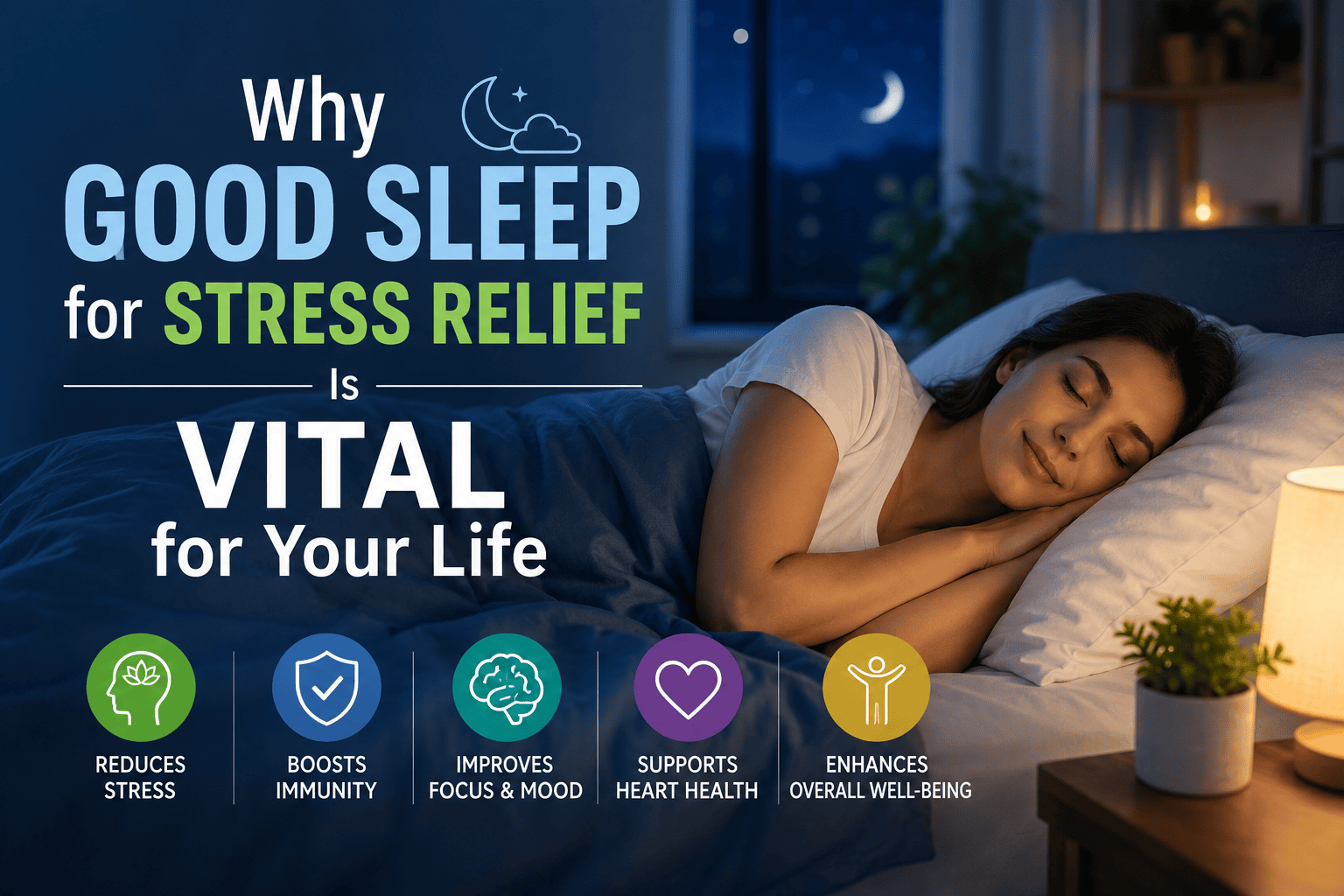
Waking up feeling exhausted after tossing and turning all night is a universally frustrating experience. When daily pressures mount, the mind often refuses to quiet down, leading to a relentless cycle of anxiety and exhaustion. Achieving a state of mental calm requires more than just meditation or a weekend getaway; it demands foundational, restorative rest. Finding the path to good sleep for stress relief is arguably the most effective strategy for building a resilient, balanced life.
While many people view sleep as a passive state of inactivity, it is actually a dynamic physiological process. During those crucial hours of darkness, the brain actively works to repair cellular damage, consolidate memories, and regulate the neurochemicals responsible for mood. Understanding the science behind this nocturnal recovery can completely transform how we approach our evening routines and our overall mental health.
The Bidirectional Trap: How Stress and Sleep Influence Each Other
One of the most complex challenges of modern health is the bidirectional relationship between rest and anxiety. When you experience high levels of tension, your body remains in a state of hyperarousal. The sympathetic nervous system stays active, pumping out adrenaline and keeping your heart rate elevated, making it nearly impossible to transition into a restful state.
Conversely, when you fail to secure enough rest, the brain’s ability to manage future stressors is severely compromised. Studies consistently show that the effects of sleep deprivation on stress are immediate. A single night of poor rest can cause the brain’s emotional center, the amygdala, to become highly reactive. This means minor inconveniences—like a traffic jam or a mildly critical email—can trigger a massive, disproportionate emotional response. Breaking this cycle is the first necessary step toward achieving emotional stability.
How Your Brain Uses Rest to Detoxify Anxiety
To truly comprehend why good sleep for stress relief is so effective, we must look at the specific stages of the sleep cycle. Throughout the night, the body cycles through light sleep, deep Non-Rapid Eye Movement (NREM) sleep, and Rapid Eye Movement (REM) sleep. Each stage plays a unique role in mental and physical recovery.
The Importance of Deep Sleep for Physical Recovery
During deep NREM sleep, the body focuses on physical restoration. Blood pressure drops, breathing stabilizes, and muscles relax completely. This physical unwinding sends powerful signals to the nervous system that the environment is safe, directly countering the “fight or flight” response triggered by daily pressures.
Emotional Regulation During REM Sleep
REM sleep is heavily involved in emotional processing. During this stage, the brain reviews the emotionally charged memories of the day and strips away the visceral, anxious feelings attached to them. This nocturnal therapy session allows you to wake up with a more balanced, rational perspective on yesterday’s problems. Without adequate REM sleep, emotional memories remain raw and triggering, significantly increasing baseline anxiety.
For verified research on how sleep architecture supports mental health, you can review resources provided by the National Institutes of Health (NIH), which extensively document the restorative power of healthy sleep habits.
Hormonal Balance: Lowering Cortisol While You Rest
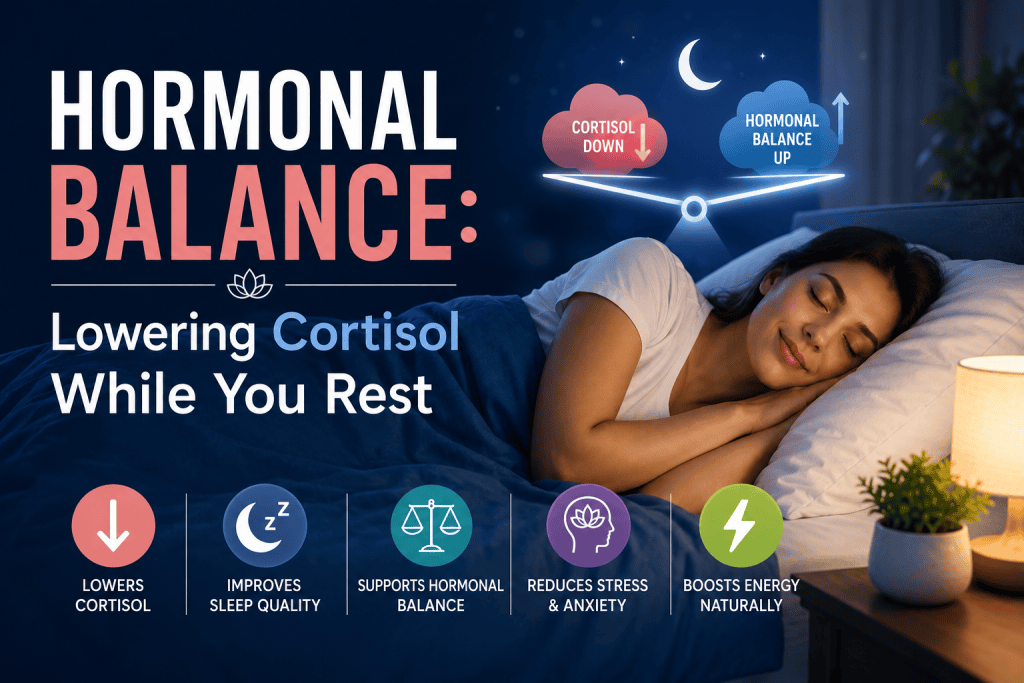
Cortisol is widely known as the primary stress hormone. While it is essential for waking us up in the morning and keeping us alert during the day, chronically elevated cortisol levels wreak havoc on the body.
A healthy circadian rhythm naturally dictates a drop in cortisol as evening approaches, allowing the sleep hormone melatonin to take over. However, when sleep is cut short, cortisol levels remain artificially high the next day. This biochemical imbalance not only makes you feel wired and jittery but also negatively impacts other bodily functions. For example, high cortisol and poor rest can severely disrupt gut health. Stress negatively impacts digestion, which is why healthy digestion tips often start with a good night’s rest.
To maintain a balanced lifestyle and learn more about optimizing your physical well-being, explore our comprehensive guide on Jivan Jarurat Health Tips.
Signs You Are Trapped in a Negative Sleep-Stress Cycle
Many individuals suffer from chronic sleep deprivation without fully realizing it. They attribute their symptoms to getting older or simply having a demanding job. Recognizing the physical and psychological signs of this cycle is critical for making meaningful lifestyle changes.
- Brain Fog and Poor Focus: Difficulty concentrating on simple tasks or forgetting minor details.
- Heightened Irritability: Snapping at loved ones or colleagues over insignificant issues.
- Physical Tension: Waking up with a clenched jaw, tight shoulders, or stress headaches.
- Digestive Issues: Experiencing unexplained bloating or stomach discomfort linked to nervous tension.
Often, consuming heavy media or keeping up with the intense daily news cycle right before bed triggers this mental hyperarousal, making these symptoms worse.
Proven Lifestyle Changes for Better Rest and Less Anxiety
Creating an environment and a routine conducive to rest requires intentional effort. Adopting stress management techniques specifically tailored for the evening can drastically improve the quality of your rest.
Establish a Non-Negotiable Bedtime Routine
Your brain requires transitional time to shift from the active demands of the day to a restful state. Create a “wind-down” window at least one hour before bed. Instead of scrolling through entertainment updates on your phone, substitute your smartphone with a physical book, light stretching, or mindfulness meditation.
Optimize the Sleep Environment
The physical space where you sleep heavily influences your ability to stay asleep. Keep your bedroom cool, ideally between 60 and 67 degrees Fahrenheit (15 to 19 degrees Celsius). Invest in blackout curtains to block ambient street light, and consider a white noise machine to drown out disruptive background sounds.
Limit Caffeine and Alcohol Intake
While a glass of wine might make you feel drowsy initially, alcohol severely disrupts REM sleep, leading to fragmented rest and groggy mornings. Similarly, caffeine has a half-life of up to six hours; consuming coffee or energy drinks late in the afternoon can prevent you from reaching the restorative deep sleep stages.
Escaping the Vicious Cycle for a Stress-Free Life
Prioritizing good sleep for stress relief is not a luxury; it is a biological necessity. The modern world frequently glorifies overworking and surviving on minimal rest, but this mindset ultimately leads to burnout and severe health complications. By treating your bedtime with the same respect as an important business meeting or a medical appointment, you give your body the tools it needs to repair, process, and thrive.
When you consistently secure high-quality sleep, you build a natural buffer against the inevitable challenges of daily life. Your emotional resilience improves, your cognitive function sharpens, and your physical health stabilizes, paving the way for a truly vibrant and stress-free life.
13. Frequently Asked Questions (FAQs)
Q1: How many hours of sleep are required to effectively reduce daily stress?
Most healthy adults require between seven to nine hours of quality sleep per night to allow the brain to cycle through all necessary restorative stages. Consistently falling short of this range can elevate cortisol levels and increase emotional reactivity.
Q2: Can breathing exercises before bed actually help me sleep better?
Yes. Deep, rhythmic breathing activates the parasympathetic nervous system, which is responsible for the body’s “rest and digest” functions. This physiological shift lowers your heart rate and signals to your brain that it is safe to sleep.
Q3: Why do I wake up feeling anxious in the middle of the night?
Nighttime awakenings accompanied by anxiety are often the result of high daytime stress levels carrying over into the night. It can also be triggered by alcohol consumption before bed, which causes a rebound effect of alertness as it metabolizes in your system.
Q4: Does the time I go to bed matter as long as I get eight hours?
Maintaining a consistent sleep schedule is just as important as the total duration. Going to bed and waking up at the exact same time every day regulates your body’s internal clock (circadian rhythm), which significantly improves the quality of your deep sleep.
Q5: How does screen time affect my ability to wind down?
Smartphones, tablets, and televisions emit blue light, which actively suppresses the production of melatonin—the hormone responsible for making you feel sleepy. Limiting screen exposure at least an hour before bed is crucial for a stress-free transition to sleep.