
Dengue Prevention Guide: Symptoms, Warning Signs & Protection Tips
Every year, the monsoon season brings a sense of relief from the scorching heat. However, it also brings a significant rise in mosquito-borne illnesses. Among these, dengue fever stands out as one of the most common and potentially dangerous viral infections. Knowing the basics of dengue prevention is no longer just an option; it is an absolute necessity for every household.
If you live in an area prone to seasonal outbreaks, you likely already know someone who has battled this illness. The sudden high fever, crushing joint pain, and extreme fatigue can take a heavy toll on the body. Furthermore, without proper care, a mild case can quickly escalate into a life-threatening emergency.
Therefore, taking proactive measures is the smartest approach to keeping your loved ones safe. In this comprehensive guide, we will explore the early symptoms, critical warning signs, and the most effective strategies for dengue prevention. By the end of this article, you will have a clear, actionable plan to protect your home and your health from the Aedes mosquito.
What is Dengue Fever?
Dengue is a viral infection transmitted to humans through the bite of infected mosquitoes. It is primarily caused by four distinct, but closely related, serotypes of the dengue virus. This means that a person can be infected with dengue up to four times in their lifetime.
When a mosquito bites an infected person, the virus enters the mosquito. Subsequently, when the infected mosquito bites another person, the virus enters their bloodstream, leading to an infection. While many infections are asymptomatic or produce only mild illness, others can cause severe flu-like symptoms.
Understanding the Aedes Mosquito
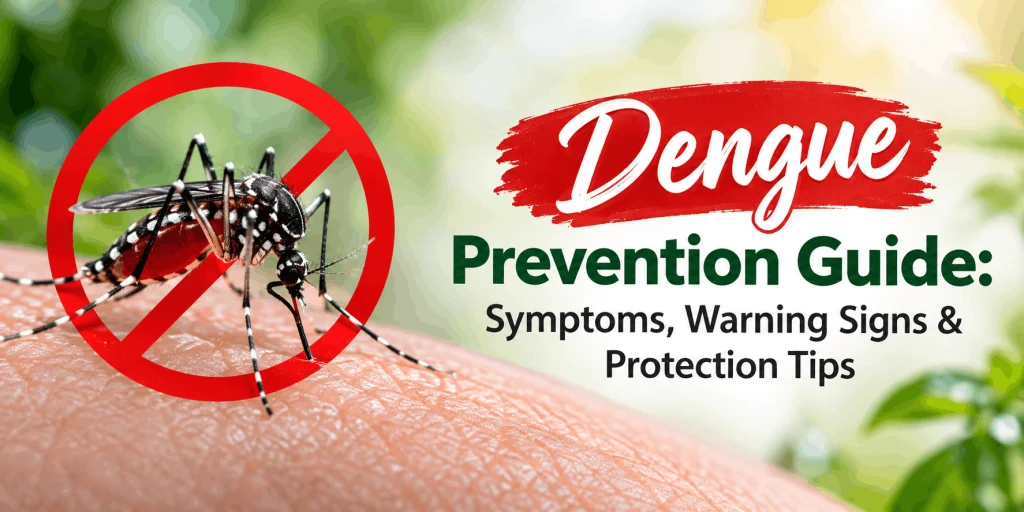
To master dengue prevention, you must first understand the enemy. The primary culprit behind the spread of dengue is the Aedes aegypti mosquito. Additionally, the Aedes albopictus mosquito can also transmit the virus.
These mosquitoes have unique behaviors that make them particularly dangerous. First, they are day-biters. They are most active during the early morning hours and late afternoon before sunset. Second, they breed in clean, stagnant water. Unlike mosquitoes that breed in dirty drains, the Aedes mosquito prefers the clean water found in household containers, flower pots, and discarded tires.

Early Dengue Symptoms: What to Look For
Identifying dengue early can make a significant difference in how the disease is managed. Symptoms typically begin 4 to 10 days after an infected mosquito bites a person.
Initially, dengue often mimics the regular flu, which can lead to misdiagnosis. However, there are specific signs that set it apart.
Common early dengue symptoms include:
- Sudden High Fever: The fever often spikes quickly, reaching up to 104°F (40°C).
- Severe Headaches: Patients often experience intense throbbing in the head.
- Pain Behind the Eyes: This is a classic symptom of dengue, known as retro-orbital pain.
- Muscle and Joint Pain: Dengue is historically called “breakbone fever” because of the severe pain it causes in the joints and muscles.
- Nausea and Vomiting: A general feeling of sickness and inability to keep food down.
- Skin Rash: A flat, red rash may appear over most of the body 2 to 5 days after the fever starts.
- Fatigue: Extreme tiredness that can last for days or even weeks.
If you or a family member experiences these symptoms during dengue season, it is crucial to consult a doctor immediately. Early blood tests can confirm the infection and guide your treatment plan.
Critical Warning Signs of Severe Dengue
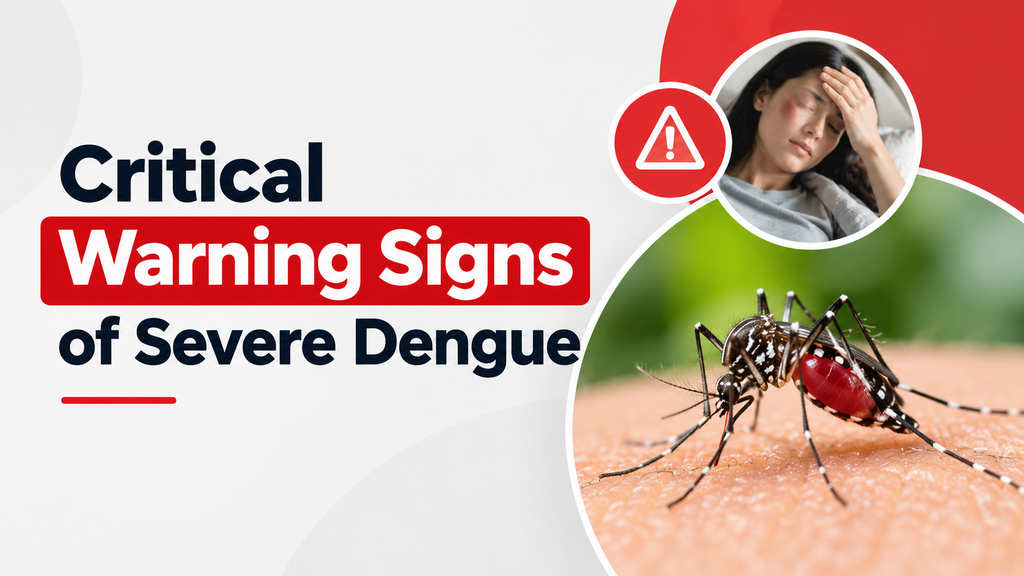
Most people recover from dengue within a week or two. Meanwhile, a small percentage of patients develop severe dengue, also known as Dengue Hemorrhagic Fever or Dengue Shock Syndrome.
Severe dengue is a medical emergency. It can cause fluid leaks, severe bleeding, and a dangerous drop in blood pressure. The critical phase usually begins 24 to 48 hours after the fever goes down. Therefore, you must watch the patient closely even when they seem to be cooling off.
Rush to the nearest hospital if you notice any of these warning signs:
- Severe Abdominal Pain: Intense and continuous pain in the stomach area.
- Persistent Vomiting: Vomiting at least three times in 24 hours.
- Bleeding: Bleeding from the gums, nose, or unusual bruising under the skin.
- Blood in Vomit or Stool: This indicates internal bleeding and requires immediate medical attention.
- Rapid Breathing: Difficulty in catching a breath.
- Extreme Restlessness or Lethargy: The patient may seem unusually agitated or entirely unresponsive.
- Pale and Cold Skin: A sign that blood pressure is dropping dangerously low (shock).
Never ignore these warning signs. Prompt medical intervention in a hospital setting decreases the mortality rate of severe dengue to less than 1%.
Dengue Prevention: How to Protect Your Family
Because there is no specific medicine or widely available cure for dengue fever, prevention is the only reliable cure. Effective dengue prevention requires a multi-layered approach. You must tackle the mosquitoes inside your home, outside your home, and within your community.
Indoor Mosquito Protection
Your home should be a safe haven, not a breeding ground for mosquitoes. You can easily implement these indoor dengue precautions:
- Use Mosquito Nets: Sleeping under a mosquito net is one of the most effective ways to prevent bites, especially for infants and the elderly.
- Install Window Screens: Fit all windows and doors with fine mesh screens. Repair any holes or tears immediately.
- Apply Mosquito Repellents: Use indoor vaporizers, coils, or natural repellent sprays containing DEET, Picaridin, or oil of lemon eucalyptus.
- Eliminate Stagnant Water: Check indoor plant saucers, pet water bowls, and vases. Change the water in these containers every alternate day.
- Use Air Conditioning: Mosquitoes are less active in cool, air-conditioned rooms. Keeping doors and windows closed also restricts their entry.
Outdoor Safety Measures
When you step outside, especially during peak mosquito hours, you are vulnerable. Here is how you can practice dengue prevention outdoors:
- Wear Protective Clothing: Always wear light-colored, long-sleeved shirts and long pants. Mosquitoes are attracted to dark colors.
- Use Skin Repellents: Apply a medically approved mosquito repellent to exposed skin. Follow the product instructions carefully, especially when applying to children.
- Avoid Thick Vegetation: Mosquitoes rest in tall grass and bushes. Try to stay clear of these areas during morning and evening walks.
- Cover Strollers: If you are taking a baby outside, use a fitted mosquito net over the stroller or carrier.
Community-Level Prevention
Mosquitoes do not respect property lines. Therefore, keeping your home clean is not enough if your neighbor’s yard is full of stagnant water.
- Clear Clogged Gutters: Ensure roof gutters are clean and draining properly so water does not accumulate.
- Cover Water Storage: If you store water in buckets or drums, keep them tightly covered with secure lids.
- Dispose of Trash Properly: Discard old tires, broken pots, plastic bottles, and anything else that can hold rainwater.
- Organize Community Drives: Work with your neighborhood association to spray larvicides in open drains and communal spaces.
The Timeline of Dengue Fever
Understanding the timeline of dengue helps in managing the disease and reducing panic. The illness generally progresses through three phases.
1. The Febrile Phase (Days 1–3):
This phase starts with a sudden high fever. The patient experiences the classic dengue symptoms like body aches, headaches, and eye pain. Hydration is critical during this period.
2. The Critical Phase (Days 4–5):
Interestingly, this phase begins when the fever drops. This is when the warning signs of severe dengue (like bleeding or fluid leakage) are most likely to appear. Consequently, close monitoring of blood tests, specifically platelet count and hematocrit levels, is essential.
3. The Recovery Phase (Days 6–7 and beyond):
If the critical phase passes without complications, the patient’s appetite returns. Fluid levels in the body stabilize, and a slow, steady recovery begins. However, profound fatigue may linger for weeks.
Diet and Home Care for Dengue Patients
If a doctor advises home care for a mild case of dengue, proper management is vital. The focus should be on resting the body and maintaining optimal fluid levels.
- Hydration is Key: Dengue causes severe dehydration. Drink plenty of water, oral rehydration solutions (ORS), coconut water, and fresh fruit juices.
- Papaya Leaf Extract: Many doctors and traditional medicine experts suggest papaya leaf juice. Studies indicate it may help naturally increase the blood platelet count.
- Vitamin C Rich Foods: Citrus fruits, kiwi, and amla boost immunity and aid in recovery.
- Light, Digestible Meals: Stick to soups, porridge, and boiled vegetables. Avoid oily, spicy, or heavily processed foods.
- Strict Bed Rest: The body needs all its energy to fight the virus. Do not attempt to work or exercise until fully cleared by a doctor.
Disclaimer: Always consult a registered medical practitioner before starting any home remedies or supplements.
Common Mistakes to Avoid During Dengue
Many people unknowingly make mistakes that can complicate dengue treatment. Here are a few traps to avoid:
- Self-Medication with Painkillers: Never take Aspirin, Ibuprofen, or Naproxen for dengue pain. These medicines thin the blood and can trigger severe internal bleeding. Stick strictly to Paracetamol as prescribed by your doctor.
- Ignoring the Drop in Fever: As mentioned earlier, the dropping of fever marks the beginning of the critical phase, not necessarily the end of the disease. Do not stop monitoring the patient.
- Obsessing Over Platelets Only: While platelet count is important, it is not the only indicator of severe dengue. Doctors also monitor hematocrit levels (blood thickness), which is often a more accurate predictor of complications.
- Relying Solely on Papaya Leaves: While helpful, papaya leaf extract is a supplement, not a medical cure. Do not ignore doctor-prescribed treatments or hospital visits in favor of home remedies.
Conclusion
Ultimately, dengue prevention is not just an individual responsibility; it requires a collective effort. By keeping your surroundings dry, using repellents, and staying informed about the early symptoms, you drastically reduce the risk for yourself and your loved ones.
The Aedes mosquito is a formidable foe, but it thrives on human negligence. By taking 10 minutes a week to empty stagnant water from pots, buckets, and coolers, you can break the mosquito life cycle.
If you or someone in your family develops a sudden high fever accompanied by severe aches, do not wait. Seek medical advice immediately, stay well-hydrated, and keep a close eye out for critical warning signs. Health is our greatest wealth, and with the right knowledge and proactive measures, you can ensure a safe, dengue-free season for your family. Stay alert, stay safe, and prioritize prevention today.