

A Milestone in Indo-Pacific Strategic Relations
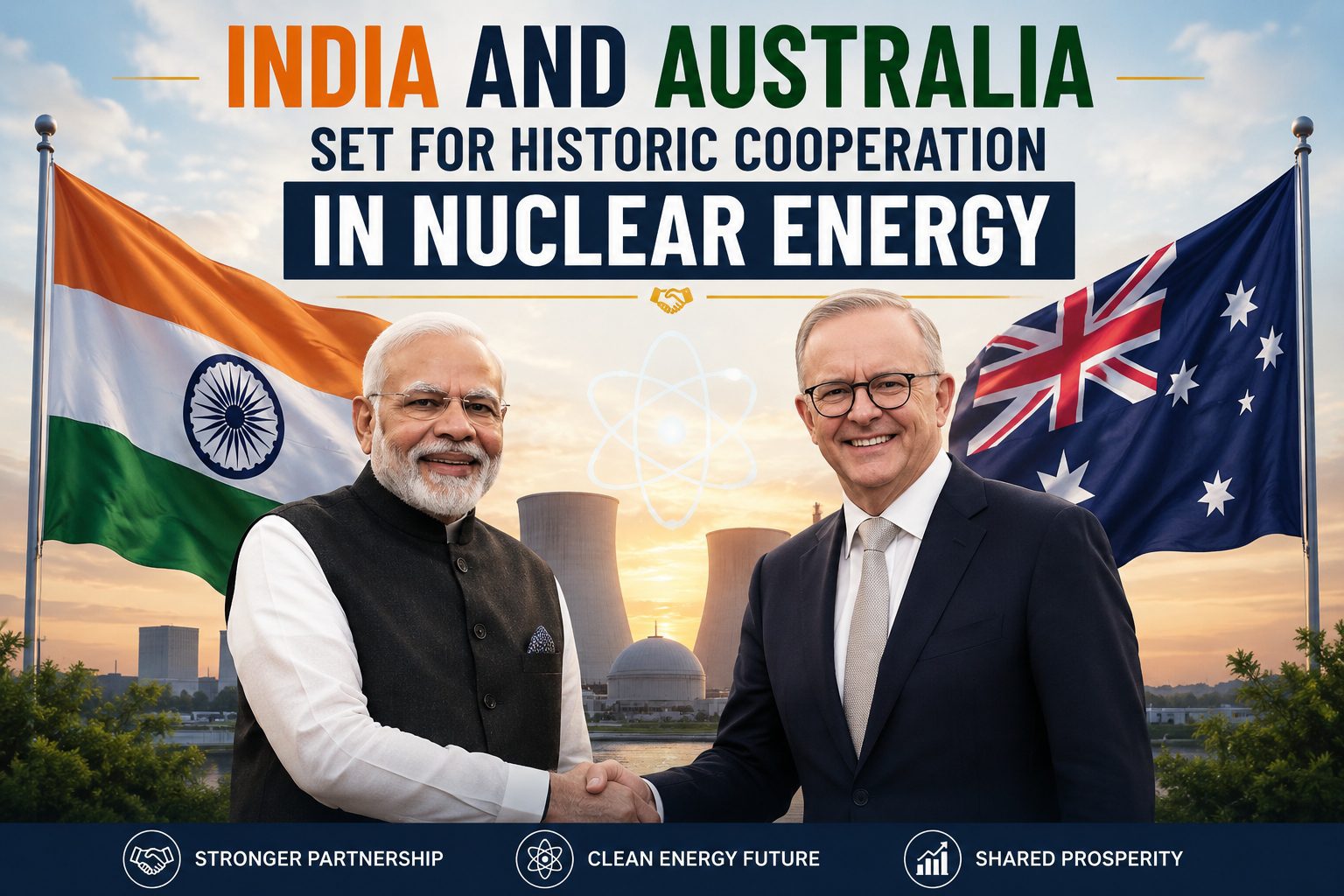
In a monumental step toward strengthening their strategic partnership, India and Australia have officially signed a series of sweeping agreements, highlighted by a landmark civil nuclear energy pact. During the third India-Australia Annual Summit held in Melbourne, Prime Minister Narendra Modi and Australian Prime Minister Anthony Albanese outlined a shared vision that promises to reshape energy security and geopolitical stability across the Indo-Pacific region.
Arriving in Australia from Indonesia during the second leg of his three-nation tour, PM Modi emphasized that the evolving relationship between the two vibrant democracies is designed not just for present economic gains, but for long-term global stability. The newly established nuclear framework stands out as the crown jewel of this diplomatic engagement, ending years of logistical delays and opening a direct pipeline for clean energy fuel.
Breaking the Decades-Old Uranium Deadlock
The commercial supply of Australian uranium to India has been a subject of complex diplomatic negotiations for years. Although an initial overarching agreement was struck in 2014, regular shipments failed to materialize due to strict regulatory concerns over the end-use of nuclear materials. Thursday’s historic India Australia nuclear energy deal officially resolves these bottlenecks.
Prime Minister Albanese assured the international community that the newly approved uranium exports will flow to India strictly for “peaceful purposes,” adhering to stringent international compliance standards. This uninterrupted supply of nuclear fuel is expected to dramatically support India’s expanding civilian nuclear power generation, providing a reliable baseload power source crucial for a rapidly growing economy.
“Today, we have signed an important agreement in the field of nuclear energy,” PM Modi declared in his media statement. “This will open the way for uranium supplies from Australia to India and give new impetus to our clean energy objectives”.

Expanding Trade and Economic Horizons
Beyond nuclear energy, the bilateral summit placed a heavy emphasis on elevating economic integration between the two nations. The leaders celebrated the successes of the Economic Cooperation and Trade Agreement (ECTA), which was signed in 2022 and has since triggered a notable surge in bilateral trade and cross-border investments.
Accelerating the CECA Negotiations
Building on the momentum of ECTA, both nations have officially agreed to fast-track negotiations for a Comprehensive Economic Cooperation Agreement (CECA). This ambitious framework aims to foster a more balanced and dynamic economic corridor, cutting red tape for businesses, and lowering tariffs across a broader spectrum of goods and services.
Furthermore, the leaders announced intentions to finalize a Bilateral Investment Treaty. This strategic move is expected to boost investor confidence, paving the way for Australian superannuation funds to invest heavily in Indian infrastructure, while providing Indian tech and manufacturing firms deeper access to the Australian market.
Collaboration in Critical Minerals and Technology
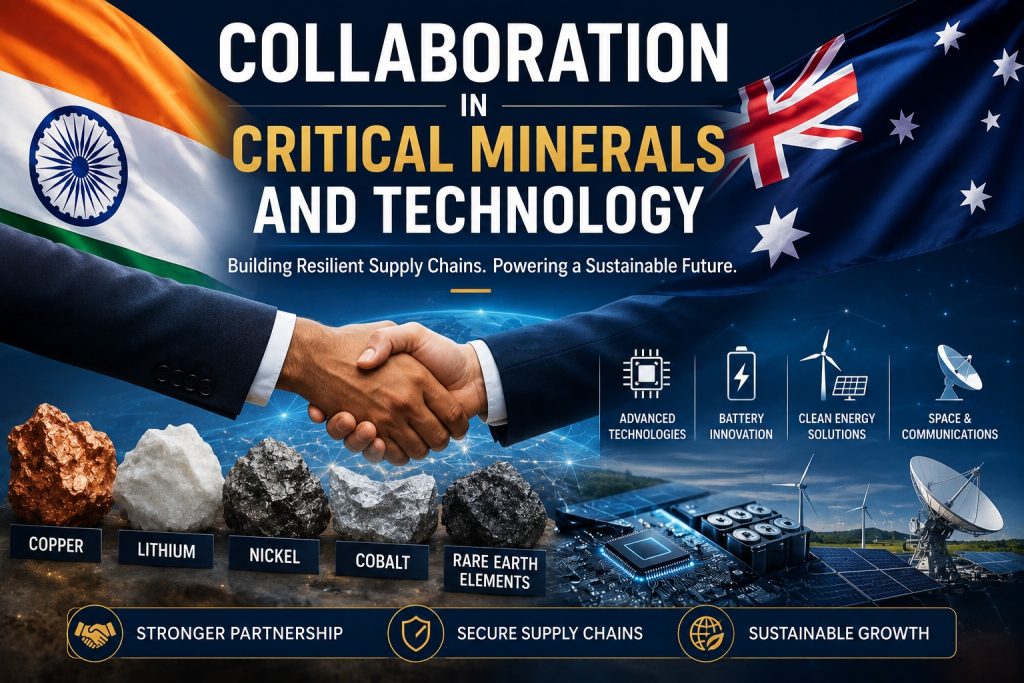
Recognizing that the future economy relies heavily on next-generation resources, the two prime ministers launched the Australia-India Partnership on Cyber, Critical Technologies, and Supply Chains. Australia possesses some of the world’s largest reserves of critical minerals—such as lithium, cobalt, and rare earth elements—which are essential for manufacturing electric vehicles (EVs), wind turbines, and advanced electronics.
PM Modi highlighted that securing a resilient supply chain for these minerals is vital for India’s technological ambitions and its broader climate action commitments. Discussions also touched upon possible joint ventures in low-carbon aluminium projects, reflecting a mutual desire to decarbonize heavy industries.
Empowering the Solar Sector
Clean energy synergies between the two nations are not limited to nuclear and critical minerals. PM Modi announced the establishment of a jointly funded Rooftop Solar Training Academy located in Gujarat. This initiative aligns directly with India’s PM Surya Ghar Yojana, aiming to build technical capacity and create employment opportunities specifically targeting women and youth in the renewable energy sector.
A Unified Front for Defence and Maritime Security
As the geopolitical landscape in the Indo-Pacific becomes increasingly complex, defence cooperation has taken center stage. The leaders unveiled a comprehensive Joint Declaration on Defence and Security, aimed at deepening military interoperability and maritime domain awareness.
With both nations being integral members of the Quad alliance, the new defence roadmap prioritizes:
Maritime Security: Ensuring freedom of navigation and secure sea lanes of communication across the Indo-Pacific. Defence Innovation Corridors: Fostering partnerships between Indian and Australian defense startups to develop emerging military technologies.
Cyber Security: Creating joint task forces to combat state-sponsored cyber threats and protect critical national infrastructure.
PM Modi emphasized that a strong India-Australia relationship serves as a stabilizing force, dedicated to maintaining a rules-based international order free from coercion.

Celebrating Diaspora: The Marvel Stadium Event
The diplomatic achievements of the summit were complemented by massive public enthusiasm. Highlighting his immense popularity among the diaspora, PM Modi is scheduled to address an estimated 30,000 members of the Indian-Australian community at Melbourne’s Marvel Stadium.
Prime Minister Albanese credited Modi’s “leadership and personal engagement” for the unparalleled strength of the current bilateral relationship. The Indian diaspora, which forms a vital cultural and economic bridge between the two countries, has turned out in spectacular numbers, underscoring the deep people-to-people ties that form the bedrock of this strategic partnership.
The Road Ahead for India and Australia
The agreements signed in Melbourne mark a transformative chapter in India-Australia relations. By resolving the long-standing hurdles surrounding uranium supply, establishing roadmaps for critical minerals, and deepening military ties, both nations have positioned themselves as indispensable partners in the 21st century.
As India rapidly scales its economy and Australia seeks reliable partners to diversify its export markets, this comprehensive strategic partnership serves mutual interests perfectly. The historic India Australia nuclear energy deal is more than a commercial transaction; it is a profound statement of mutual trust and a shared commitment to a sustainable, secure, and prosperous Indo-Pacific future.
Frequently Asked Questions
1. What is the historic India Australia nuclear energy deal?
It is a landmark civil nuclear cooperation agreement signed in July 2026 that facilitates the commercial supply of Australian uranium to India. The fuel will be used exclusively for peaceful civilian nuclear power generation, aiding India’s clean energy goals.
2. Why was Australian uranium not supplied to India previously?
Although an initial framework was signed in 2014, regular shipments were delayed for over a decade due to strict international and domestic regulatory concerns regarding the end-use of the nuclear material and weapons proliferation safeguards.
3. What other agreements were signed during PM Modi’s visit to Australia?
Alongside the nuclear pact, the two nations signed a Joint Declaration on Defence and Security, launched a partnership on critical minerals and cyber technologies, and agreed to fast-track negotiations for the Comprehensive Economic Cooperation Agreement (CECA).
4. How does the agreement impact the renewable energy sector?
Beyond nuclear energy, the countries are collaborating on critical minerals vital for electric vehicles and battery storage. They also announced a joint Rooftop Solar Training Academy in Gujarat to support the PM Surya Ghar Yojana.
5. Why is this partnership important for the Indo-Pacific region?
The deepened defence and economic ties aim to ensure peace, stability, and freedom of navigation in the Indo-Pacific. Both nations share a vision of a rules-based order, countering regional uncertainties through enhanced maritime and technological cooperation.
Key Takeaways
- Uranium Supply Unlocked: The newly signed pact clears a decade-long hurdle, allowing Australia to export commercial uranium for India’s civilian nuclear energy program.
- Accelerated Economic Ties: Both countries have committed to fast-tracking the Comprehensive Economic Cooperation Agreement (CECA) and establishing a Bilateral Investment Treaty to boost mutual trade.
- Defence & Cyber Security Focus: A new joint declaration aims to strengthen maritime security, interoperability, and critical technology supply chains across the Indo-Pacific.
- Clean Energy Collaboration: Alongside nuclear power, joint initiatives include low-carbon aluminium research and a new solar training academy in Gujarat.
- Strong Diaspora Connect: The bilateral summit was marked by PM Modi’s address to a massive 30,000-strong Indian-Australian crowd at Marvel Stadium, showcasing deep cultural bonds.