
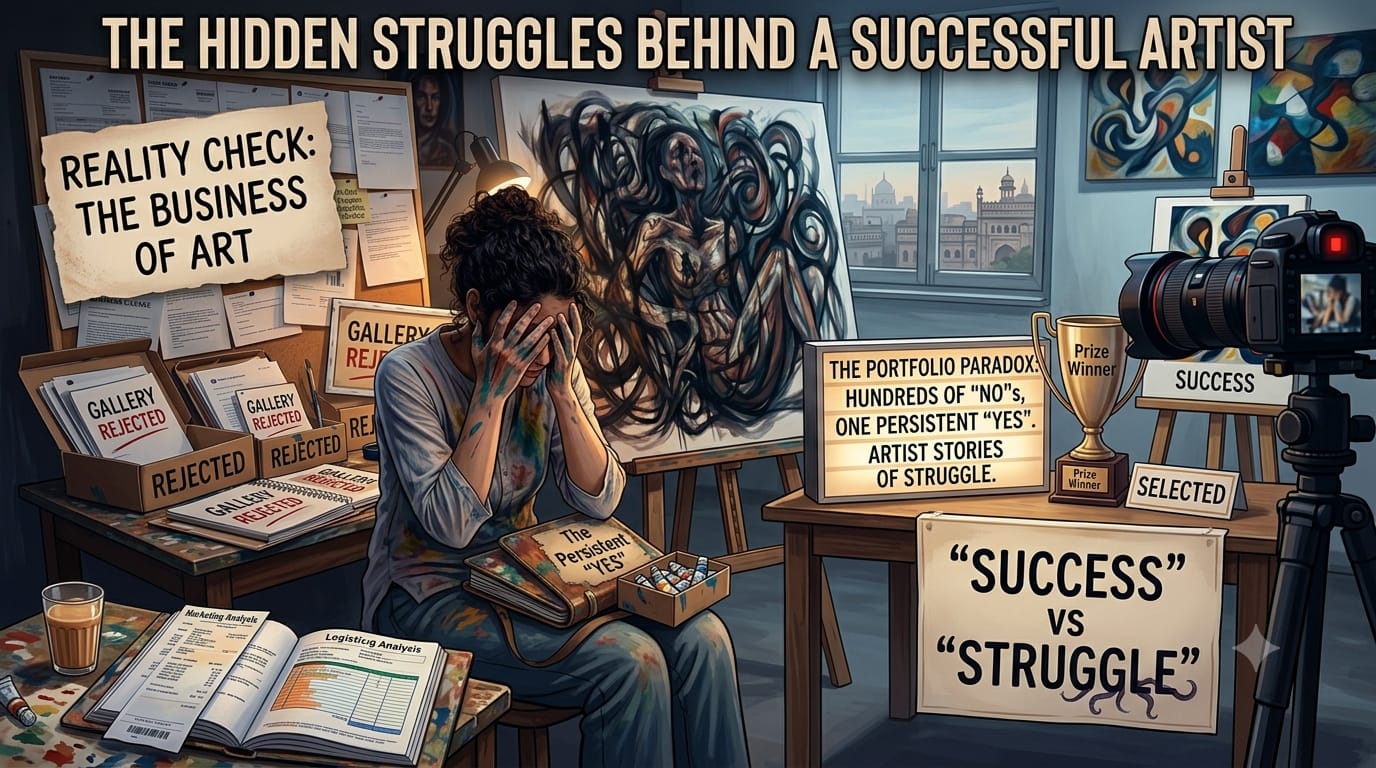
When we walk into a grand gallery, scroll through a beautifully curated Instagram feed, or listen to a chart-topping album, it is incredibly easy to romanticize the life of the creator. We see the final, polished masterpiece. We see the fame, the sold-out shows, and the accolades. However, what remains invisible to the public eye are the hidden struggles behind successful artists.
Behind every breathtaking canvas, mesmerizing sculpture, or moving piece of digital art lies a journey fraught with doubt, rejection, financial insecurity, and immense psychological pressure. The path to artistic recognition is rarely a straight line; it is a rugged mountain climb. Society often clings to the romanticized archetype of the “tortured genius,” but this harmful stereotype glosses over the very real, practical, and emotional hurdles that creatives face daily.
In this deep dive into the art world, we will pull back the curtain to explore the reality of being an artist. By sharing authentic artist stories of struggle, we aim to shed light on what it truly takes to survive and thrive in one of the world’s most unpredictable professions.
The Illusion of the Overnight Success
In today’s hyper-connected digital age, it often seems like artists explode out of nowhere. A single viral TikTok video or a trending Twitter thread can propel an unknown creator into the global spotlight. However, this creates a dangerous illusion.
When an artist goes viral, the public is usually witnessing year ten of a ten-year journey. What they do not see are the thousands of hours spent mastering a craft in absolute obscurity. They do not see the failed sketches, the rejected manuscripts, or the exhibitions where no one showed up.
The challenges of professional artists begin long before anyone knows their name. The pressure to maintain relevance after achieving sudden fame can be just as paralyzing as the struggle to get noticed in the first place. This continuous cycle of striving, failing, achieving, and then struggling to maintain that achievement forms the core of the hidden struggles behind successful artists.
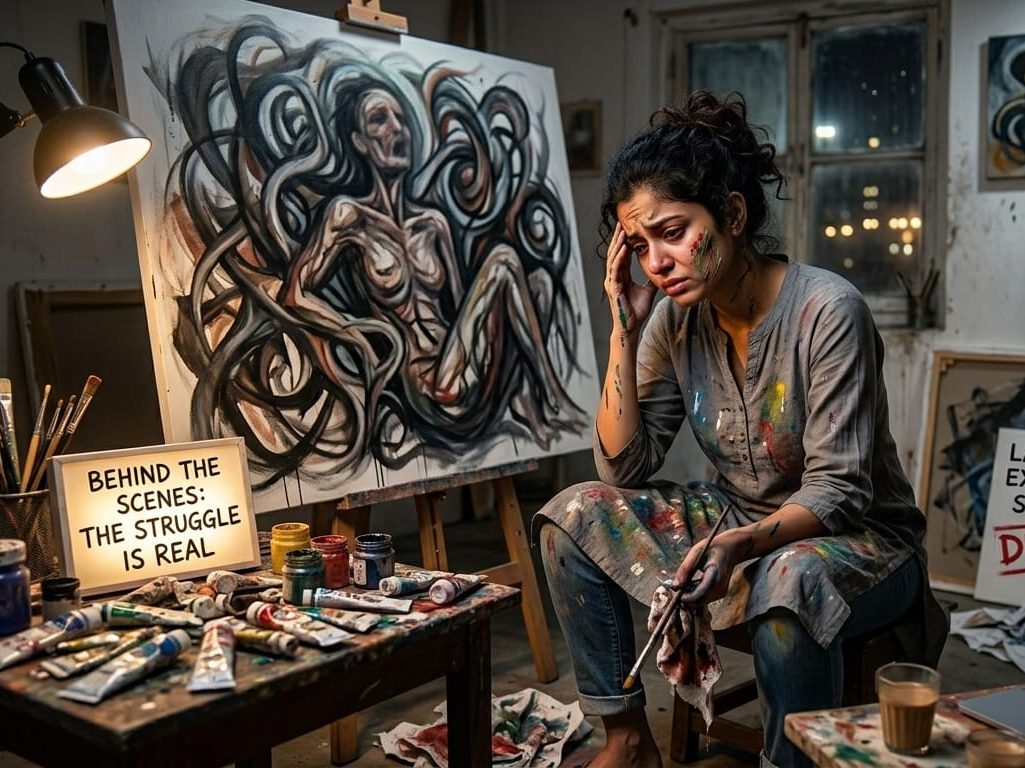
ALT Text: Stressed painter showing the hidden struggles behind successful artists in a studio.
The Financial Instability of Famous Artists: Then and Now
Perhaps the most universally understood hurdle in the creative field is money. The financial instability of famous artists is not just a modern issue; it is deeply rooted in art history.
Historical Struggles with Poverty
Consider Vincent van Gogh, whose paintings now sell for tens of millions of dollars. During his lifetime, he famously sold only one painting and relied entirely on the financial support of his brother, Theo. He lived in deep poverty, often sacrificing food to buy paint.
Similarly, Claude Monet, the founding father of Impressionism, spent years dodging creditors. There were times when he was so impoverished that he could not afford canvas or paint, and in moments of deep despair, he even destroyed his own works to prevent debt collectors from taking them.
The Modern Gig Economy for Creatives
Today, the medium may have changed, but the financial reality remains shockingly similar for many. The modern reality of being an artist often means participating in the gig economy. Unlike traditional jobs with a steady paycheck, health insurance, and retirement benefits, independent artists live paycheck to paycheck, commission to commission.
Even successful artists who have gallery representation or large online followings face unpredictable income streams. An artist might make $10,000 in one month from a successful exhibition and then make absolutely nothing for the next four months. This feast-or-famine lifestyle requires immense financial discipline.
Artists today must act as their own accountants, marketing managers, and sales teams. If you are looking for tips on how to manage stress and maintain a balanced lifestyle while juggling multiple roles, you can read our guide on healthy lifestyle habits on Jivan Jarurat Health tips.
Mental Health Struggles in the Art World
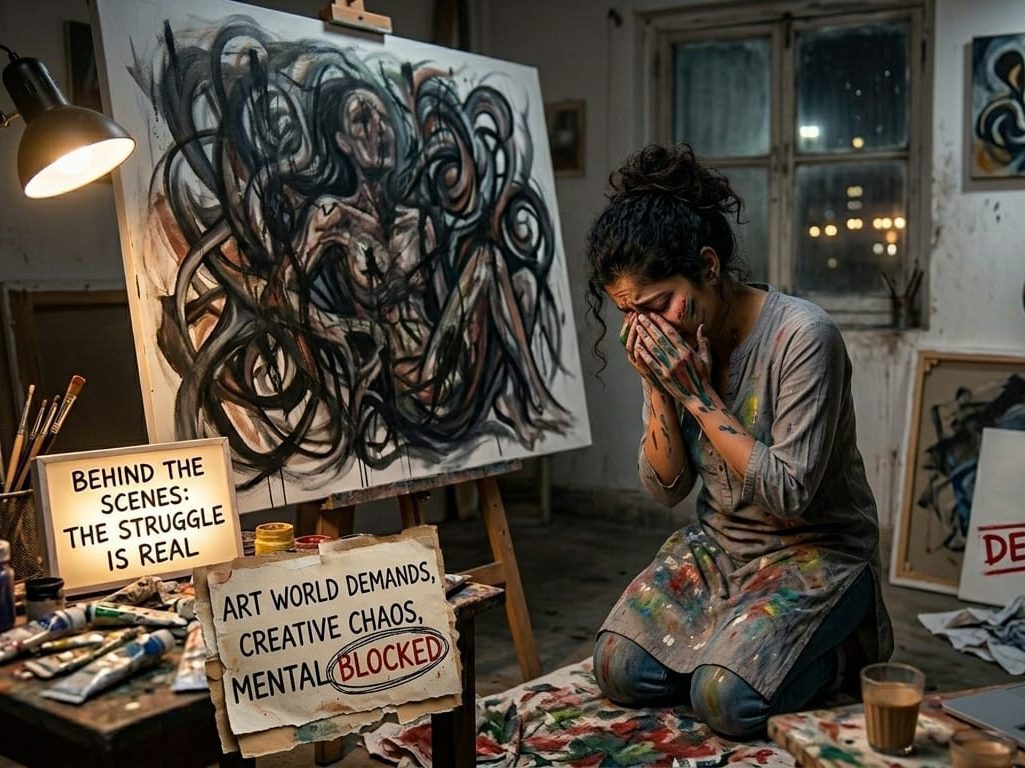
The connection between profound creativity and mental health is a topic that has been studied for decades. Unfortunately, mental health struggles in the art world are incredibly common. The isolation required to create, combined with the vulnerability of putting one’s soul on display for public judgment, creates a perfect storm for anxiety and depression.
Imposter Syndrome
Even the most celebrated artists battle severe imposter syndrome—the persistent feeling that they are a fraud and that their success is merely a result of luck rather than talent. Award-winning authors, Grammy-winning musicians, and internationally renowned painters have confessed to feeling terrified that the world will suddenly “wake up” and realize they aren’t actually talented.
The Weight of Vulnerability
Creating true, impactful art requires vulnerability. You have to mine your deepest emotions, traumas, and joys to create something that resonates with others. However, constantly digging into your own psyche can be exhausting. When an artist’s deeply personal work is met with harsh criticism or, even worse, total indifference, it can feel like a direct rejection of their humanity.
Leading psychological institutions frequently explore this dynamic. According to experts at Psychology Today, the traits that make someone a brilliant artist—high sensitivity, deep empathy, and a vivid imagination—are the exact same traits that make them susceptible to emotional exhaustion and mood disorders.
ALT Text: Artist experiencing mental health struggles in the art world during creative process.
The Brutal Reality of Creative Burnout
In a culture obsessed with content, artists are under immense pressure to produce constantly. Algorithms on platforms like Instagram, YouTube, and TikTok punish creators who take breaks. If you stop posting, you lose visibility, which directly translates to losing income. This algorithmic treadmill leads to one of the most severe challenges of professional artists: creative burnout.
Burnout is not just feeling tired; it is a state of emotional, physical, and mental exhaustion caused by excessive and prolonged stress. It occurs when an artist feels overwhelmed, emotionally drained, and unable to meet constant demands.
How to Overcome Creative Burnout
Understanding how to overcome creative burnout is essential for longevity in the art world. Here are strategies many successful artists use:
- Stepping Away from the Canvas: True rest means stepping completely away from the work. This means no sketching, no brainstorming, and no checking art-related social media.
- Consuming Instead of Creating: Sometimes the well runs dry. Artists need to refill their creative reservoirs by reading books, watching films, walking in nature, or listening to music without the pressure of producing anything in return.
- Returning to the ‘Why’: Burnout often happens when art becomes a chore or purely a source of income. Successful artists combat this by occasionally creating “useless” art—art made purely for the joy of making it, with no intention of selling or posting it.
For updates on how modern artists and entertainers are navigating these industry pressures, make sure to follow our coverage on Jivan Jarurat Entertainment.
Navigating Rejection: Artist Stories of Struggle
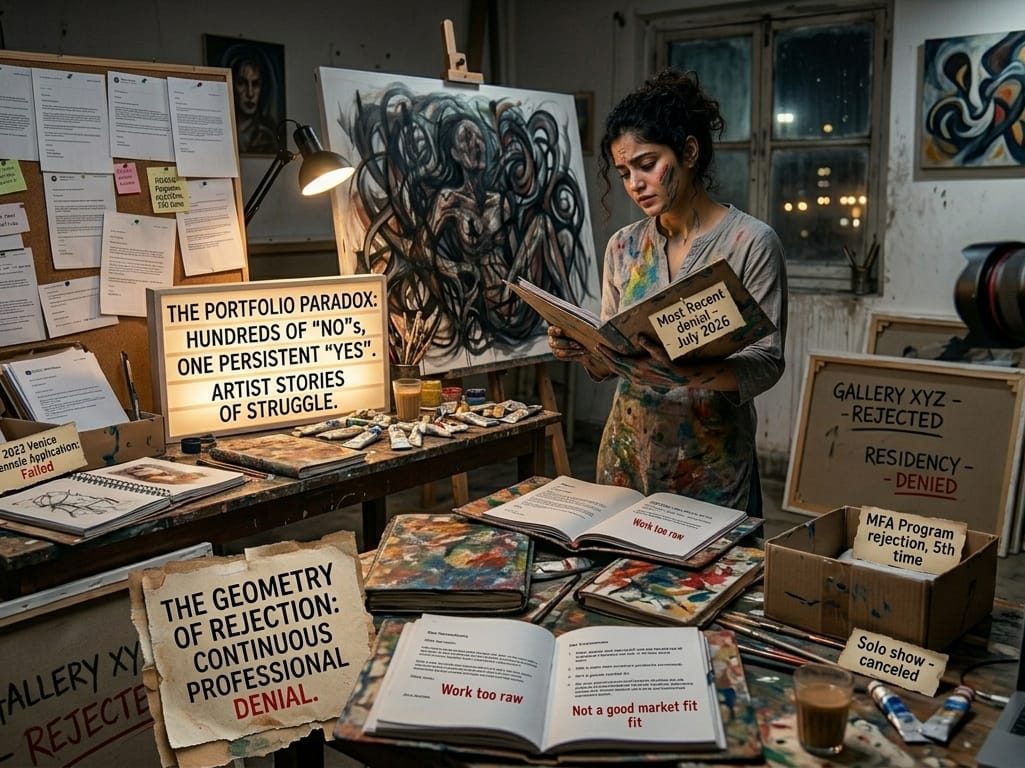
If there is one universal experience shared by all creatives, it is rejection. Rejection is the gatekeeper of the art world.
Consider the story of Stephen King. Before Carrie became a massive bestseller, it was rejected by 30 different publishers. King was so discouraged that he threw the manuscript in the trash. It was his wife who fished it out and urged him to keep trying.
Or look at the brilliant artist Frida Kahlo. Today, she is a global icon, celebrated for her unapologetic self-portraits and surrealism. But during her lifetime, her work was often dismissed, overshadowed by her famous husband, Diego Rivera, or criticized for being too grotesque and deeply personal. She painted through immense physical agony and chronic pain, turning her suffering into masterpieces.
These artist stories of struggle highlight a critical trait: resilience. Successful artists are not the ones who never faced rejection; they are the ones who received a hundred “no’s” and still believed in their work enough to ask for the hundred-and-first time. Every rejection letter, every declined gallery submission, and every ignored portfolio is a stepping stone.
ALT Text: Rejected portfolios highlighting the artist stories of struggle and continuous professional rejection.
Balancing the Business and the Passion
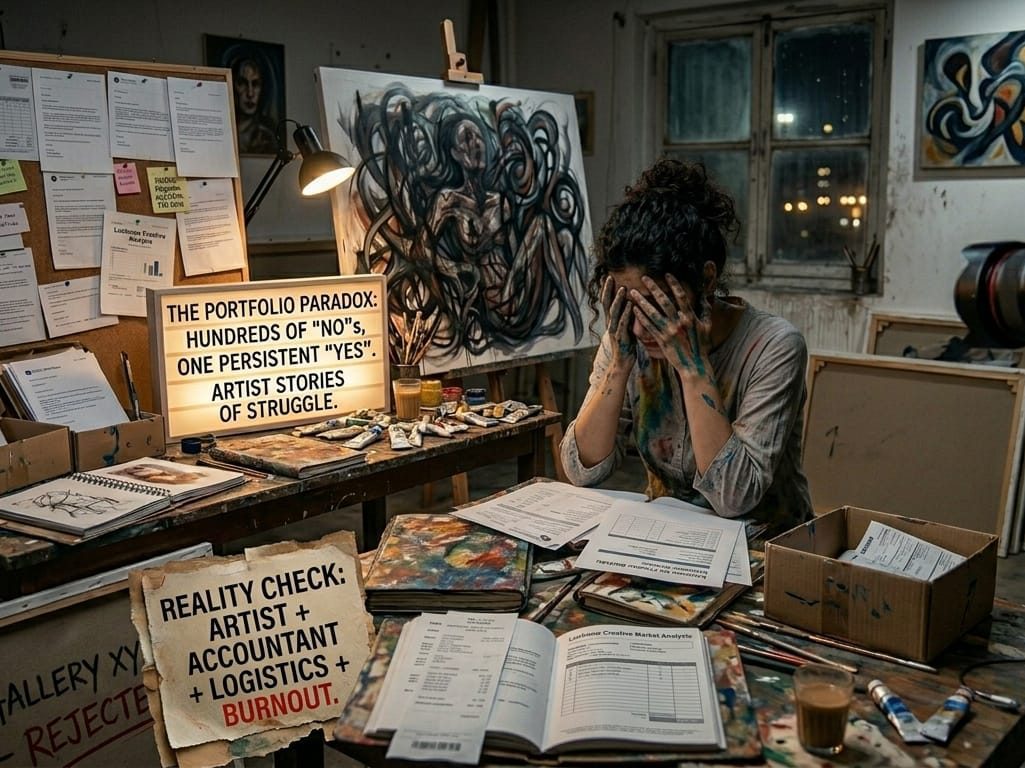
Another major aspect of the hidden struggles behind successful artists is the painful clash between the right brain and the left brain. Most people get into art because they love to create. Very few get into art because they love drafting contracts, filing taxes, negotiating commissions, or planning marketing strategies.
Yet, the reality of being an artist today is that you are a small business owner.
The Administrative Burden
A successful independent artist might spend only 30% of their time actually making art. The remaining 70% is spent replying to emails, packing and shipping orders, updating their website, applying for grants, networking, and creating social media content.
This balance is incredibly difficult to maintain. When the business side takes over, the passion can suffer. Conversely, if an artist ignores the business side, they cannot pay their bills. Mastering this balancing act is one of the steepest learning curves for any professional creative.
To stay informed about the latest trends in the creative economy and how professionals are adapting, you can read our business and industry updates on Jivan Jarurat News.
The Physical Toll of the Artistic Process
While mental and emotional struggles are frequently discussed, the physical toll of creating art is a hidden struggle that rarely gets the spotlight.
Painters spend hours hunched over canvases, leading to chronic back and neck pain. Sculptors deal with respiratory issues from inhaling stone dust and repetitive strain injuries from carving. Digital artists and writers face severe eye strain, carpal tunnel syndrome, and posture-related issues from staring at screens for 12 hours a day.
Michelangelo famously wrote a poem complaining about the agonizing physical conditions of painting the Sistine Chapel ceiling, describing how his spine was bent like a bow and his face was constantly covered in dripping paint. The physical sacrifice required to produce monumental art is a testament to the dedication these creators possess.
Taking care of the body is just as important as taking care of the mind. Ergonomic workspaces, regular physical therapy, and strict boundaries around working hours are essential survival tools for the modern professional artist.
ALT Text: The reality of being an artist balancing business tasks and creative burnout.
How Society Views the Reality of Being an Artist
Finally, we must address the societal hurdles. One of the most exhausting challenges of professional artists is dealing with how society views their profession.
From a young age, many creatives are told that art is a “nice hobby” but not a “real job.” When an artist chooses to pursue their passion professionally, they are often met with skepticism from friends and family. Even when they achieve a level of success, they are frequently asked to work for “exposure” rather than actual compensation—a deeply insulting request that is rarely made of other professions like plumbers, accountants, or lawyers.
This societal devaluation forces artists to constantly defend their worth. It requires immense self-belief to wake up every day and declare that your art has value in a world that often tries to get it for free.
The successful artists we admire have not just conquered the canvas; they have conquered the deeply ingrained societal stigma surrounding the “starving artist.” They have demanded a seat at the table and forced the world to recognize the economic and cultural value of their work.
Conclusion: The Resilience of the Creative Spirit
When we explore the hidden struggles behind successful artists, we do not diminish their achievements; rather, we elevate them. Knowing that a beautiful painting was born from financial panic, mental anguish, and dozens of rejections makes it infinitely more powerful.
The reality of being an artist is not a fairy tale of constant inspiration and effortless creation. It is an arduous, grueling, and demanding path. It requires the emotional fortitude to face constant rejection, the business acumen to navigate financial instability of famous artists and modern gig economies, and the psychological resilience to battle mental health struggles in the art world.
Yet, despite all these incredible challenges, artists continue to create. They continue to pour their souls into their work because the drive to express, to connect, and to leave a mark on the world is stronger than the fear of failure.
The next time you admire a piece of art, read a moving novel, or listen to a beautiful song, take a moment to honor the unseen battles fought to bring that creation to life. The true masterpiece isn’t just the final product—it is the unbreakable resilience of the artist behind it.