

The Rise of E20 Fuel: What Motorists Need to Know
The global automotive and energy landscapes are undergoing a massive transformation with the aggressive rollout of ethanol-blended petrol. As governments push for sustainable alternatives to traditional fossil fuels, E20 ethanol fuel has emerged as a primary solution. Designed to reduce crude oil imports and lower carbon footprints, this blended fuel is quickly becoming the new standard at pumps worldwide.
However, the rapid transition has left millions of vehicle owners asking a critical question: will E20 ethanol fuel damage my engine? With rising reports of mechanical wear, lowered mileage, and degraded fuel lines in older models, motorists are rightfully concerned. Understanding the chemistry behind this fuel, along with its specific pros and cons, is essential for maintaining your vehicle’s health and longevity.
For more updates on automotive trends and daily life, you can also read our guide on the latest news on Jivan Jarurat.
Understanding Ethanol-Blended Petrol
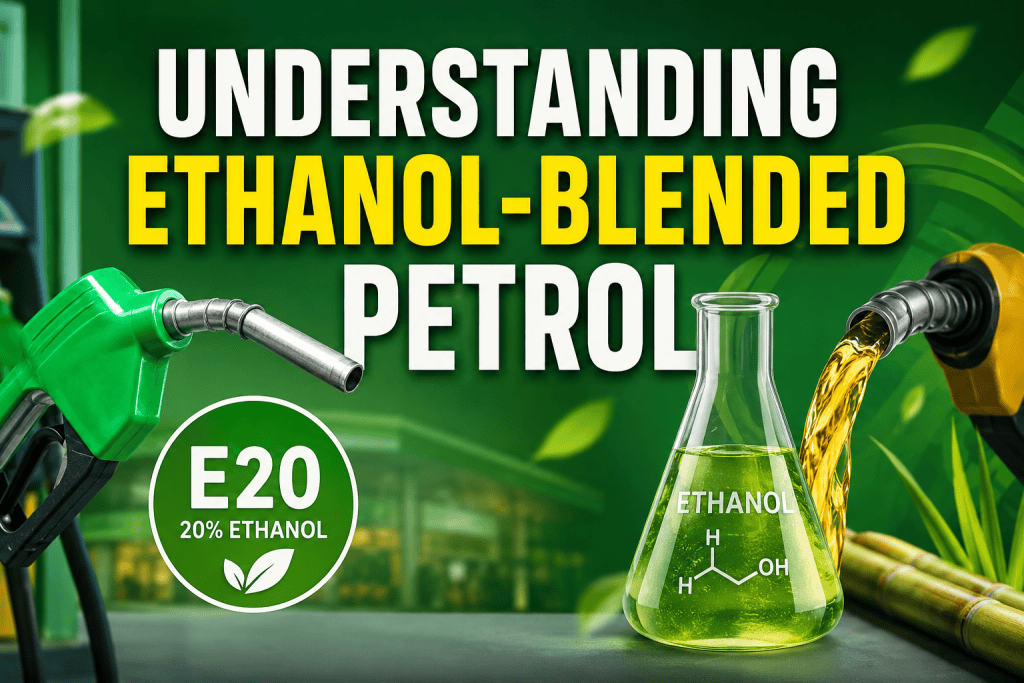
Before diving into the risks and benefits, it is crucial to understand what you are pumping into your vehicle. E20 fuel is a mixture comprising 20% ethanol and 80% conventional petrol (gasoline). Ethanol is an alcohol-based, renewable biofuel typically derived from agricultural biomass such as sugarcane, corn, barley, and wheat.
By increasing the blend from the older E10 standard (10% ethanol) to E20, governments aim to achieve significant economic and environmental milestones. While modern cars manufactured after April 2023 are engineered specifically to handle this 20% concentration, the vast majority of vehicles currently on the road were built for E10 or lower. This discrepancy in engineering is where the potential for engine damage begins.
The Advantages of Using E20 Ethanol Fuel
Despite the concerns, the transition to E20 fuel brings several undeniable benefits to both the economy and the environment.
Environmental Benefits and Lower Emissions
Ethanol burns much cleaner than pure gasoline. Because ethanol molecules contain oxygen, the fuel undergoes a more complete combustion process inside the engine. This significantly reduces the tailpipe emissions of harmful pollutants, including carbon monoxide and unburned hydrocarbons, making it a powerful tool in the fight against urban air pollution and climate change.
Economic Independence
Relying entirely on unblended petrol forces nations to import massive quantities of crude oil. By substituting 20% of the fuel with domestically produced ethanol, countries can dramatically reduce their import bills. This shift not only stabilizes domestic fuel prices against volatile global oil markets but also provides a massive economic boost to the agricultural sector by increasing demand for farmed biomass.
Higher Octane Rating and Performance
Ethanol naturally boasts a higher octane rating than standard petrol. In modern, E20-compatible engines that are calibrated to take advantage of this, the higher octane prevents “engine knocking” or pre-ignition. This allows high-compression engines to run smoothly, potentially improving power delivery and combustion quality when perfectly tuned.
How E20 Ethanol Can Damage Your Vehicle Engine
While the macroeconomic benefits are clear, the mechanical reality for individual car owners—especially those with pre-2023 vehicles—can be problematic. The chemical properties of ethanol introduce several hidden hazards to older engines.
The Corrosive Impact on Rubber and Plastics
Ethanol is highly corrosive to certain materials that were standard in the automotive industry for decades. Older vehicles designed for E5 or E10 rely on specific rubber hoses, gaskets, fuel seals, and plastic O-rings. When exposed to a 20% ethanol blend, these components can degrade, swell, or become brittle over time.
A recent study conducted by the Automotive Research Association of India (ARAI) confirmed that using E20 in E10-compatible vehicles leads to the accelerated deterioration of rubber fuel-system components. This degradation can result in dangerous fuel leaks, clogged injectors, and the need for premature parts replacement.[1]
The Hygroscopic Nature of Ethanol
One of the most severe threats ethanol poses to an internal combustion engine is its hygroscopic nature. This means ethanol actively absorbs moisture from the atmosphere.[2] If a vehicle sits idle for extended periods, the absorbed water can trigger a phenomenon known as “phase separation.”
During phase separation, the water and ethanol mixture detaches from the petrol and sinks to the bottom of the fuel tank. When you start your car, the fuel pump sucks this highly corrosive, water-heavy mixture directly into the combustion chamber. This causes severe engine misfires, rough idling, internal rusting, and catastrophic damage to the fuel pump and injectors.
Thermomechanical Wear and Exhaust Valve Failure
Prolonged use of high-ethanol blends in non-compatible engines generates altered heat signatures during combustion. During exhaustive durability tests by the ARAI, it was observed that while metallic components largely survived short-term use, one engine experienced thermomechanical failure of the exhaust valves after cumulatively running on E20 for 809 hours.[1] This indicates that while an immediate breakdown is unlikely, continuous exposure to E20 fuel acts as a silent catalyst for long-term metallic fatigue.
Sensor Confusion and the “Check Engine” Light
Older Electronic Control Units (ECUs) and oxygen sensors are programmed to monitor the exhaust gases of pure petrol or E10. Because ethanol contains oxygen, it burns leaner than pure petrol. When older sensors detect this lean mixture, they assume the engine is starving for fuel. The vehicle’s computer responds by commanding the injectors to dump excess fuel into the cylinders. This overcompensation ruins fuel economy and frequently triggers a persistent “Check Engine” light, confusing drivers and mechanics alike.[3]
Mileage and Fuel Efficiency: Does E20 Cost You More?
One of the most debated topics surrounding ethanol-blended petrol is its impact on fuel efficiency. The simple scientific fact is that ethanol has a lower energy density than pure gasoline. It takes a larger volume of ethanol to generate the same amount of combustion energy as traditional petrol.
Real-world tests and automotive experts indicate that older vehicles can suffer a noticeable mileage drop—often ranging between 3% to 12%—when running on E20 fuel.[4][5] While ethanol-blended fuel might occasionally be priced marginally cheaper at the pump to encourage adoption, the reduction in miles per gallon (or kilometers per liter) almost always negates any upfront financial savings. For daily commuters, the overall monthly fuel expenditure often remains identical, if not slightly higher, due to this efficiency loss.
The Insurance Trap: Are You Covered?
An overlooked consequence of the E20 transition is vehicle insurance. Standard automotive insurance policies cover accidents and sudden external damage, but they heavily scrutinize internal engine failures. If an insurance adjuster determines that engine or fuel line damage was caused by using a fuel grade (like E20) that the vehicle’s manufacturer did not explicitly approve, they can deny the warranty or insurance claim.[6] Owners of older cars must tread carefully and consult their policy terms regarding fuel-related mechanical failures.
How to Prevent Ethanol-Related Engine Damage
If you drive a pre-2023 vehicle and E20 fuel is the only option available in your area, you can take proactive steps to protect your engine from premature wear:
- Keep Your Fuel Fresh: Because of ethanol’s moisture-absorbing properties, do not let your car sit with a half-empty tank for weeks. Try to cycle through your fuel regularly to prevent phase separation.[2]
- Opt for Premium Fuel: In many regions, premium or high-octane fuels (such as 100-octane options) remain largely ethanol-free or maintain the safer E10 standard. While more expensive upfront, they can save you from costly engine repairs.[3][7]
- Use Fuel Additives: Consider using high-quality aftermarket fuel stabilizers and additives specifically designed to neutralize ethanol’s corrosive effects and prevent moisture buildup.
- Conduct Regular Inspections: Have your mechanic routinely inspect your rubber fuel lines, seals, O-rings, and fuel filters for any signs of cracking, swelling, or degradation.
13. Frequently Asked Questions
Q1: What exactly is E20 fuel made of?
Answer: E20 fuel is a blended automotive fuel consisting of 80% traditional petrol (gasoline) and 20% ethanol. The ethanol used is a renewable biofuel produced from organic matter like sugarcane, corn, or grains.[3][4]
Q2: Can I safely use E20 fuel in my older car?
Answer: While an older car will start and run on E20 fuel, it is not entirely safe for long-term use if the vehicle was manufactured before 2023. Older fuel systems were designed for E10 or pure petrol, and the higher ethanol content can degrade rubber seals, reduce mileage, and cause engine sensor issues.[1][3][7]
Q3: Why does E20 fuel reduce my car’s mileage?
Answer: Ethanol has a lower energy density compared to pure gasoline. Because it produces less energy per drop, the engine must burn a higher volume of E20 fuel to travel the same distance, resulting in an estimated 3% to 12% drop in fuel efficiency.[4][5]
Q4: Will my vehicle warranty or insurance cover ethanol damage?
Answer: Most standard car warranties and insurance policies do not cover internal engine damage if it is proven that the vehicle was run on a fuel type not approved by the manufacturer. If your owner’s manual specifies E10 maximum, using E20 could void your engine warranty.[6][7]
Q5: What is “phase separation” in ethanol fuels?
Answer: Phase separation occurs because ethanol is hygroscopic, meaning it absorbs moisture from the air. If the fuel absorbs too much water, the ethanol-water mixture separates from the petrol and sinks to the bottom of the tank, which can cause severe rusting and engine misfires when sucked into the engine.[2]
14. Key Takeaways
- Environmental and Economic Gains: E20 ethanol fuel significantly reduces carbon emissions and helps countries decrease their reliance on expensive crude oil imports.[1][4]
- Risks to Older Vehicles: Cars built before 2023 are highly susceptible to fuel system damage, as the corrosive nature of 20% ethanol can degrade rubber hoses, seals, and gaskets.[1][3]
- Noticeable Mileage Drop: Drivers can expect a decrease in fuel efficiency by up to 12% because ethanol contains less combustible energy than pure petrol.[4][5]
- Moisture Absorption Hazards: Ethanol absorbs water from the air, increasing the risk of phase separation, which can destroy fuel pumps and cause rough idling if a car sits unused for long periods.[2]
- Mitigation Strategies: To protect non-compatible engines, owners should avoid letting fuel sit stale, use specialized ethanol-stabilizing additives, or switch to premium low-ethanol fuels.[2][7]