
The Catalyst Behind the CJP Protest 20 July Sansad March
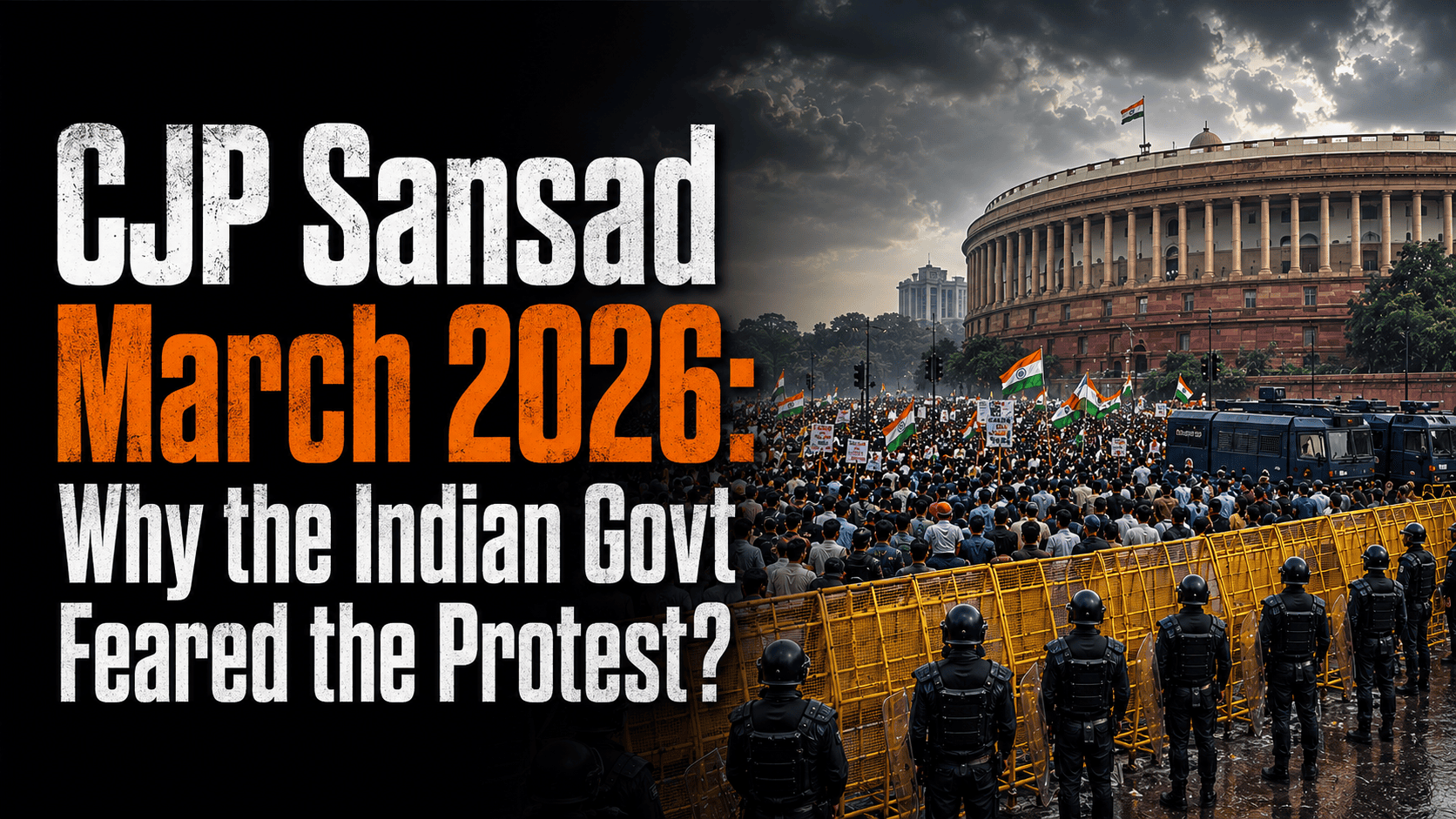
On July 20, 2026, the streets of New Delhi witnessed a historic mobilization of youth and students. Marking the first day of Parliament’s Monsoon Session, an estimated 20,000 supporters of the Cockroach Janta Party (CJP) gathered for the highly anticipated ‘Chalo Sansad’ (March to Parliament). What began as a sit-in demonstration at Jantar Mantar quickly escalated into a city-wide movement, putting a massive spotlight on systemic failures in the country’s education sector.
The CJP protest 20 July Sansad March did not materialize overnight. For weeks, anger had been simmering among young Indians over widespread irregularities in competitive examinations, particularly the NEET (National Eligibility cum Entrance Test) paper leaks. The CJP, a movement named satirically to highlight how unemployed youth feel treated like “pests” by the system, organized the march to demand total transparency.
Protesters presented a clear set of demands: the immediate resignation of Union Education Minister Dharmendra Pradhan, an independent probe into the examination leaks, financial compensation for affected students, and a comprehensive overhaul of the testing infrastructure. The sheer volume of participants signaled that this was no longer a fringe movement, but a mainstream outcry reflecting the frustrations of millions of students across the nation.
For more deep-dive analyses into current events and daily updates, you can always follow our comprehensive coverage at https://jivanjarurat.com/news.
Modi Government Fear from CJP Protest and Security Crackdown
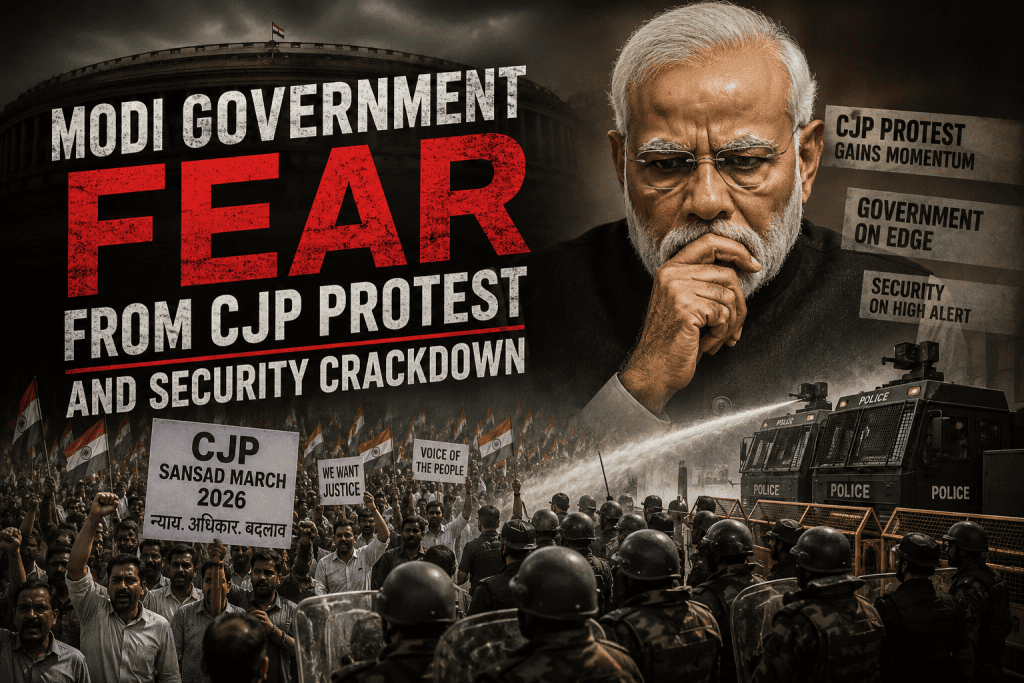
The scale of the youth mobilization evidently alarmed the authorities. The Indian Government fear from CJP protest initiatives became apparent through the unprecedented security apparatus deployed across Central Delhi. Days prior to the march, the Delhi Police categorically denied permission for the gathering, citing potential disruptions to the parliamentary session.
To curb the advancing crowds, authorities invoked prohibitory orders under Section 163 of the Bharatiya Nagarik Suraksha Sanhita (BNSS), strictly forbidding large unauthorized assemblies. However, these legal warnings did little to deter the thousands of determined youths arriving from neighboring states.
As the crowds swelled near Mandi House Metro Station and the Reserve Bank of India building, heavy barricading and Rapid Action Force (RAF) deployments were put to the test. Eyewitness accounts and on-ground reports confirm that the confrontation quickly turned hostile. When students attempted to breach the barricades to reach Parliament, police resorted to baton charges (lathi charge) and tear gas to disperse the masses.
The clashes resulted in chaos across the national capital. According to official figures, at least 118 police personnel sustained injuries from stone-pelting and scuffles, while over 70 protesters were actively detained by the authorities. The forceful crackdown on students drew widespread condemnation from civil rights groups and opposition leaders, who argued that employing brutal force against the nation’s youth is an unacceptable response to legitimate grievances.
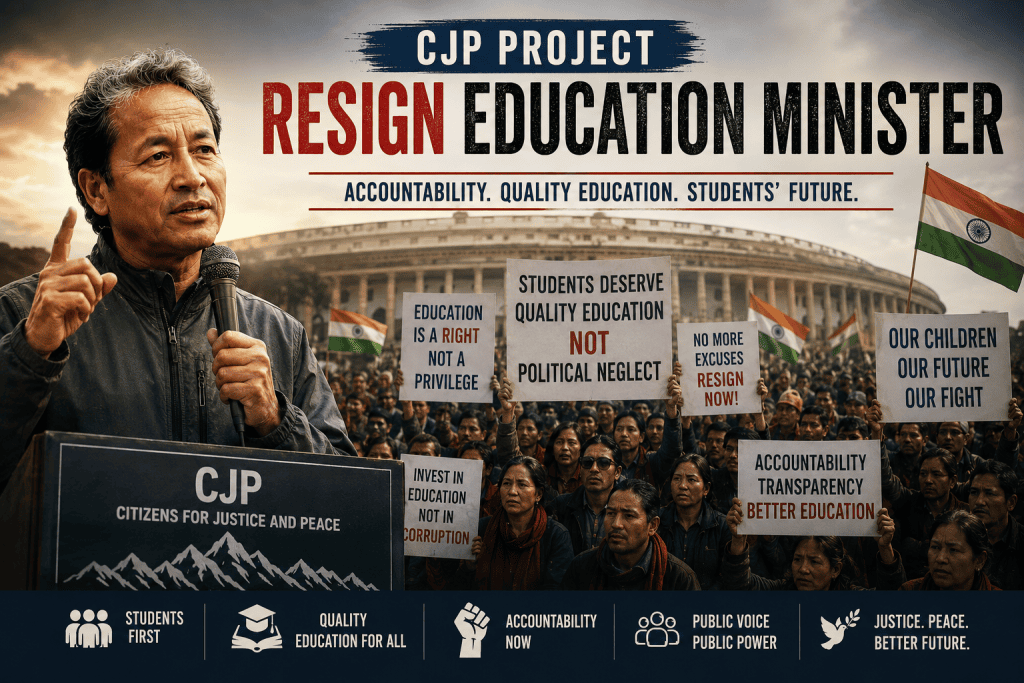
The Role of Sonam Wangchuk and Public Solidarity
A significant driving force behind the momentum of the Chalo Sansad march 2026 has been renowned climate activist and education reformer Sonam Wangchuk. Wangchuk had been conducting an indefinite hunger strike at Jantar Mantar in solidarity with the students.
However, late on the night of July 18, Delhi Police forcibly removed him from the protest site, admitting him to Safdarjung Hospital. Authorities claimed the action was executed on strict medical advice and in compliance with Delhi High Court directives. The CJP leadership strongly condemned this move, labeling it an “illegal detention” and an attempt to break the spirit of the movement.
From his hospital bed, Wangchuk managed to send a powerful message to his followers, describing the protest as “India’s 2nd freedom movement.” He urged the youth to seek “freedom from injustice, like paper leaks, and freedom from fear.” His unwavering dedication galvanized the crowds further. On the day of the march, his wife prominently joined the thousands walking from Jantar Mantar, showcasing immense resilience. The movement also saw solidarity from various public figures and celebrities, including veteran actors Prakash Raj and Shabana Azmi, highlighting the cross-sectional support the students had garnered.
Navigating the immense stress of competitive exams and national movements can take a severe toll on a student’s mental and physical health. If you are feeling overwhelmed, you can also read our guide on healthy lifestyle habits on Jivan Jarurat at https://jivanjarurat.com/health-tips.
Leaders Take Charge as Abhijeet Dipke Ends Hunger Strike
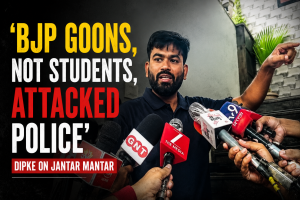
The organizational strength of the CJP was tested when its top leaders had to adapt to the rapidly changing ground reality. CJP President Abhijeet Dipke, who had also initiated a hunger strike following Wangchuk’s hospitalization, announced the end of his fast on the morning of July 20. Dipke prioritized leading the march from the frontlines, ensuring that the thousands of students had clear, on-the-ground direction amidst the heavy police barricading.
High-Level Talks: CJP Meets Union Minister JP Nadda
Realizing that batons and tear gas could not completely suppress the growing dissent, the central government initiated a dialogue to de-escalate the crisis. As the NEET exam paper leak protest peaked on the streets, an official delegation comprising CJP core members Saurav Das and Ashutosh Ranka was invited to hold discussions with Union Health Minister JP Nadda.
This marked the first time since the protests began that a formal proposal for talks was extended by the authorities. While the closed-door meeting represented a potential breakthrough, the CJP maintained a firm stance. Following the discussions, the CJP released a statement confirming that while they are open to democratic dialogues, the protests will not be entirely suspended until concrete administrative actions are taken against the culprits of the education scams.
Clashes, Detentions, and the Road Ahead
The aftermath of the July 20 Sansad March has left the national capital in a state of high alert. The heavy-handed Delhi Police action on Jantar Mantar protesters has ignited fierce political debates inside the newly commenced Monsoon Session of Parliament. Opposition leaders have aggressively questioned the government’s handling of the crisis, pointing to the optics of a democratic state tear-gassing its own students.
While the barricades might have prevented the students from physically entering the Parliament grounds, the CJP has successfully forced their agenda into the halls of power. The ongoing standoff highlights a critical juncture for India’s education policies. Will the government concede to an independent, supreme-court-monitored investigation? Or will the clampdowns intensify?
For now, the CJP has urged its supporters to remain peaceful but relentless. They have circulated guidelines advising protesters to carry only the national flag or the Constitution, avoiding any political party banners to maintain the purity of their educational demands.
While this intensive political climate dominates the headlines, readers looking for a brief respite from hard news can explore trending pop culture and media updates at https://jivanjarurat.com/entertainment.
The CJP protest 20 July Sansad March will be remembered as a defining moment in recent history—a day when the youth of India drew a firm line in the sand, demanding a fair, transparent, and uncorrupted future.
13. Frequently Asked Questions (FAQs)
Q1: What is the CJP protest 20 July Sansad March about?
A1: The march was organized by the Cockroach Janta Party (CJP) to protest against systemic irregularities in competitive exams, primarily the NEET paper leaks, and to demand the resignation of the Union Education Minister.
Q2: Why was Sonam Wangchuk hospitalized during the protests?
A2: Climate activist Sonam Wangchuk was on an indefinite hunger strike at Jantar Mantar. On July 18, 2026, Delhi Police forcibly relocated him to Safdarjung Hospital, citing deteriorating health and compliance with Delhi High Court medical advisories.
Q3: How did the Delhi Police respond to the Chalo Sansad march?
A3: The Delhi Police denied permission for the march and invoked Section 163 of the BNSS to prevent unlawful assembly. When protesters attempted to march towards Parliament, police used barricades, tear gas, and baton charges to disperse the crowd.
Q4: Did the government agree to the demands of the CJP protesters?
A4: During the protests, CJP leaders Saurav Das and Ashutosh Ranka held a meeting with Union Health Minister JP Nadda. However, no final resolution was immediately reached, and the CJP announced that their peaceful protests would continue.
Q5: Why is the protesting group called the “Cockroach Janta Party”?
A5: The name is a satirical take on the current state of youth unemployment and education in India. Protesters claim that the system treats young job-seekers and students with the same disregard as pests or “cockroaches,” sparking a movement to reclaim their dignity.
14. Key Takeaways
- Massive Youth Mobilization: Over 20,000 students participated in the July 20 ‘Chalo Sansad’ march to protest the NEET paper leaks and demand sweeping educational reforms.[1]
- Strict Security Measures: Fearing widespread disruption, the government deployed rapid action forces, implemented Section 163 of the BNSS, and used tear gas and lathi charges to halt the advancing crowds.[2]
- High-Level Negotiations: Amidst the street clashes, Union Health Minister JP Nadda held talks with top CJP leaders, though the student group vowed to continue their agitation until concrete action is taken.[3]
- Prominent Support: The movement was heavily bolstered by the involvement of education reformer Sonam Wangchuk, who dubbed it “India’s 2nd freedom movement” from his hospital bed.[4]