
Why It Is Crucial to Protect Your Health During the Monsoon
The arrival of the monsoon season is universally welcomed for its cooling showers and lush green landscapes. However, the sudden shift in weather also brings a unique set of health challenges. If you are wondering how to keep healthy in rainy season, the first step is understanding the environmental changes that take place. Heavy rainfall, severe humidity, and unpredictable temperature fluctuations create the ultimate breeding ground for harmful bacteria, viruses, and disease-carrying insects[1][2].
Every year, clinics and hospitals see a massive spike in admissions from June through September due to preventable illnesses[1][3]. Puddles of stagnant water become nurseries for mosquitoes, while high humidity levels promote rapid bacterial and fungal growth[1][2]. To ensure your well-being, it is highly recommended to adopt proactive hygiene and dietary practices. You can also read our comprehensive guide on healthy lifestyle habits on Jivan Jarurat to build a strong foundation for year-round wellness.
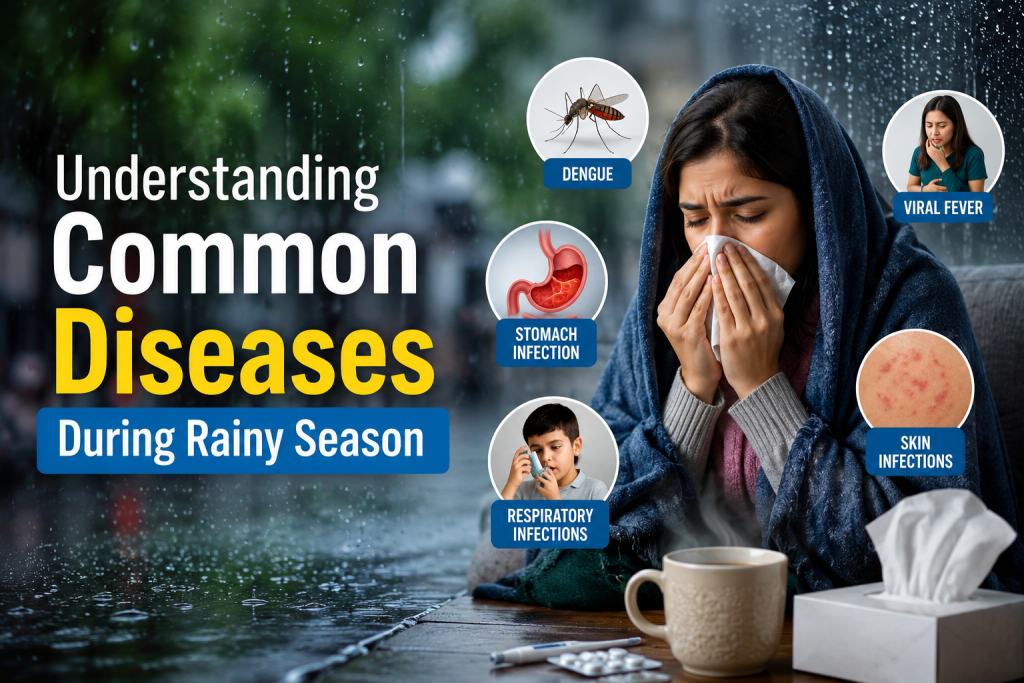
Understanding Common Diseases During Rainy Season
Before implementing monsoon health tips, it is vital to recognize the threats you are facing. Medical experts generally categorize monsoon illnesses into four main groups based on how they spread[2].
Mosquito-Borne Infections
Mosquitoes thrive in wet environments, making them the leading cause of severe monsoon ailments[2].
- Dengue Fever: Transmitted by the Aedes mosquito, which typically breeds in clean, stagnant water[1]. Symptoms include a sudden high fever, intense joint and muscle pain, skin rashes, and a rapid drop in blood platelet counts[1].
- Malaria: Spread by the Anopheles mosquito, this illness causes cyclic fevers, profound chills, heavy sweating, and severe headaches[1][2].
- Chikungunya: Similar to dengue, this viral disease causes debilitating joint pain that can linger for weeks or even months after the fever subsides[2].
Waterborne and Foodborne Illnesses
Contaminated drinking water and poorly handled food are direct pipelines for digestive system infections[2][4].
- Typhoid: A widespread bacterial infection caused by consuming contaminated food or water. It results in a sustained, prolonged high fever, abdominal pain, and extreme weakness[1][2].
- Cholera: Known for causing severe, watery diarrhea and vomiting, cholera can lead to life-threatening dehydration very quickly if not treated immediately[1][2].
- Leptospirosis: Often underdiagnosed, this bacterial infection spreads when individuals wade through flooded streets contaminated with infected animal urine[1][5].
Viral and Respiratory Infections
The shifting temperatures weaken the immune system, making respiratory droplets more dangerous[1].
- Viral Fever and Flu: Sudden temperature drops make individuals highly susceptible to the common cold, influenza, sore throats, and persistent coughs[1][2][6].
Fungal and Skin Conditions
With moisture constantly in the air, the skin struggles to stay completely dry, leading to uncomfortable fungal issues like ringworm and athlete’s foot[2].
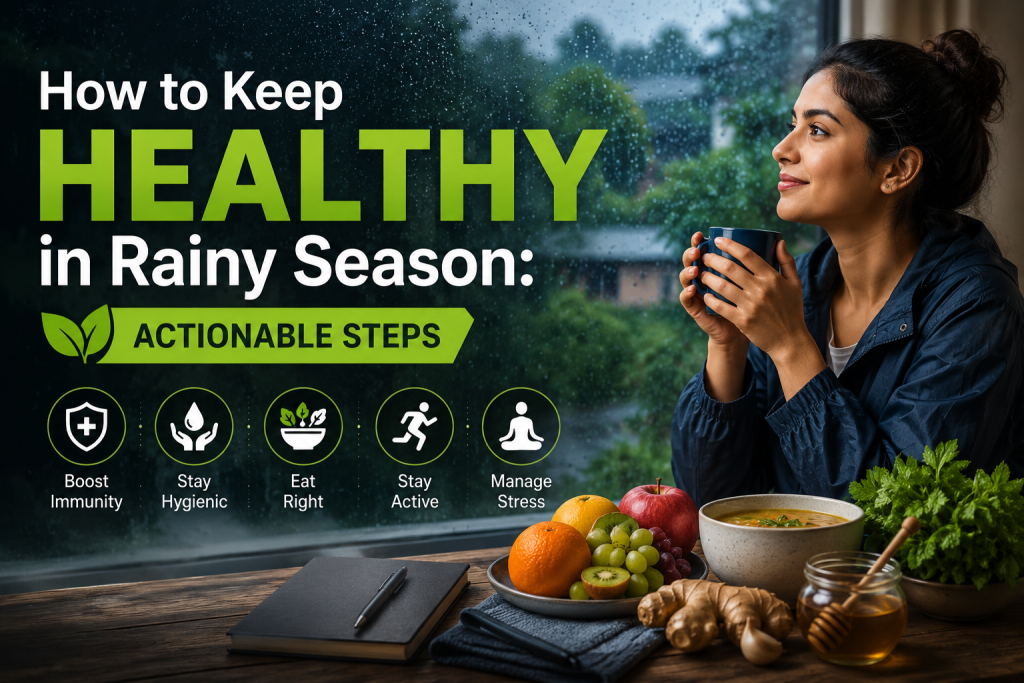
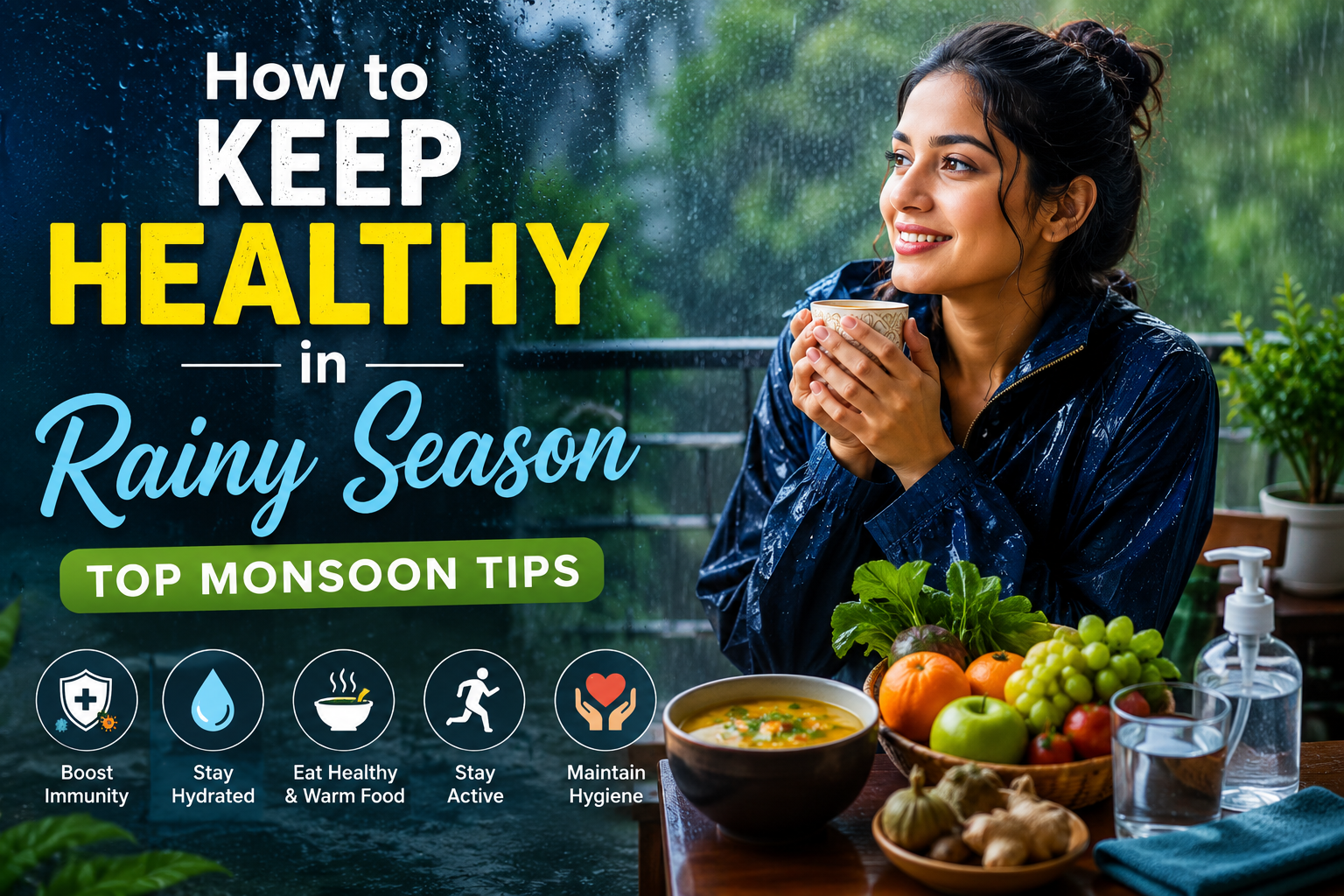
How to Keep Healthy in Rainy Season: Actionable Steps
Protecting yourself requires a combination of personal hygiene, environmental awareness, and dietary adjustments. Here is how to keep healthy in rainy season effectively.
1. Drink Only Safe and Purified Water
Water contamination is the primary driver of stomach infections during the monsoon[2][4]. Never consume tap water directly. Ensure that all drinking water is either boiled thoroughly or passed through a high-quality water purifier[2][7]. Boiling water for at least a few minutes kills most bacteria, viruses, and parasites that cause typhoid and cholera[7]. When traveling or eating out, always insist on sealed bottled water and avoid ice cubes, as they are frequently made from unfiltered tap water.
2. Eliminate Mosquito Breeding Zones
To prevent dengue and malaria, you must actively manage the environment around your home[1][2]. Regularly inspect your balconies, gardens, and rooftops. Empty out any containers holding stagnant water, such as discarded tires, unused flower pots, pet water bowls, and clogged gutters[1][2]. Inside the house, use mosquito repellents, electric plug-ins, or natural mosquito nets while sleeping[2]. Wearing light-colored, long-sleeved clothing also adds a physical barrier against mosquito bites[2].

ALT Text: Using mosquito nets to prevent waterborne diseases and infections
3. Eat Freshly Cooked, Nutritious Meals
The high humidity causes raw and cooked foods to spoil much faster than usual[4]. To avoid food poisoning and gastroenteritis, strictly consume freshly prepared, hot meals[4].
- Avoid Street Food: Roadside stalls often lack proper sanitation, leaving food exposed to flies and contaminated water[2][4].
- Skip Raw Salads: Raw vegetables and leafy greens are notoriously difficult to clean perfectly and harbor harmful bacteria during the monsoon[2][4]. If you must eat them, wash them thoroughly in warm salt water and boil them before consumption.
For the latest updates on lifestyle trends and healthy recipes, you can constantly explore the news section on our website.
4. Boost Your Immunity Naturally
A robust immune system is your internal shield against seasonal viruses. Focus on incorporating immunity-boosting ingredients into your daily diet[2][6].
- Vitamin C: Citrus fruits like oranges, lemons, and amla (Indian gooseberry) strengthen immune response[2].
- Herbal Remedies: Traditional kitchen ingredients like ginger, garlic, turmeric, and tulsi (holy basil) carry natural anti-inflammatory and antibacterial properties[6]. Drinking a warm cup of ginger and honey tea can effectively soothe a sore throat and clear respiratory congestion[6].
Mastering Personal Hygiene During the Monsoon
Personal cleanliness is just as important as diet when figuring out how to stay healthy in monsoon weather.
- Frequent Handwashing: Wash your hands with antibacterial soap and warm water multiple times a day, particularly before eating and after returning indoors[2][5].
- Keep Your Skin Dry: Getting caught in a sudden downpour is common. When this happens, shower immediately with an antiseptic soap to wash off toxic rainwater[5]. Dry your body completely, paying special attention to the spaces between your toes and skin folds to prevent fungal growth[2].
- Wear Breathable Fabrics: Choose light, breathable cotton clothes that allow sweat to evaporate quickly, preventing moisture buildup on your skin[2].
ALT Text: Washing hands with soap to prevent monsoon diseases naturally
According to global health authorities like the Centers for Disease Control and Prevention (CDC), practicing consistent hand hygiene is one of the most effective ways to break the chain of infection for respiratory and gastrointestinal illnesses.
When to Seek Medical Attention
While many viral fevers are self-limiting and resolve with rest, certain warning signs require immediate clinical evaluation[1]. Do not rely solely on home remedies if you experience:
- A high fever that lasts longer than 48 hours[1].
- Severe abdominal pain, persistent vomiting, or extreme diarrhea[1][4].
- Unbearable body aches or joint pain (a strong indicator of dengue or chikungunya)[1][2].
- Yellowing of the eyes or skin, which points to hepatitis or jaundice[2][5].
Early diagnosis through a simple blood test can clearly distinguish between a standard viral fever, malaria, or dengue, ensuring you receive the correct treatment before complications arise[1].
Conclusion
The rainy season should be a time of joy, not endless hospital visits. By prioritizing clean water, hygienic food, mosquito control, and strong personal hygiene, you can easily navigate the season safely. Educate your family members on these preventive measures and ensure everyone participates in maintaining a clean home environment.
We love keeping our readers informed and engaged. After securing your health, feel free to unwind by checking out the latest updates in our entertainment section.
Frequently Asked Questions
1. Is it safe to eat leafy vegetables during the monsoon?
It is generally advised to avoid raw leafy greens like spinach or cabbage during the rainy season, as the dampness allows bacteria and small insects to breed in the leaves[4]. If you must consume them, wash them in warm saline water and cook them thoroughly.
2. How can I boost my immunity quickly during the rainy season?
Incorporate foods rich in Vitamin C, such as lemons and oranges, into your diet[2]. Additionally, consuming natural herbal drinks made from ginger, tulsi, turmeric, and honey provides antibacterial and antiviral benefits to strengthen your immune system[6].
3. What should I do if I get drenched in the rain?
If you get wet in the rain, do not stay in damp clothes. Take a warm shower immediately using an antibacterial soap to wash away environmental pollutants and pathogens[5]. Dry yourself completely to avoid fungal infections[2].
4. How can I prevent dengue fever at home?
The most effective way to prevent dengue is to stop mosquitoes from breeding. Empty any containers holding stagnant water in your house and garden[1][2]. Use mosquito repellent creams, burn mosquito coils, and sleep under mosquito nets[2].
5. Why are stomach infections so common during the monsoon?
Stomach infections peak because the humid environment speeds up food spoilage, and heavy rains often cross-contaminate municipal water supplies with sewage[3][4]. This makes waterborne diseases like typhoid and cholera highly prevalent[1][2].
Key Takeaways
- Purify Your Water: Always boil or filter your drinking water to protect yourself against deadly waterborne diseases like typhoid and cholera[2][7].
- Clear Stagnant Water: Actively prevent mosquito breeding by emptying any collected rainwater from pots, tires, and coolers to avoid dengue and malaria[1][2].
- Eat Smart: Avoid eating raw salads and street food; instead, stick to freshly cooked, hot, and hygienic home meals[2][4].
- Maintain Hygiene: Keep your skin dry, wear breathable cotton clothes, and wash your hands frequently to prevent fungal and bacterial infections[2][5].
- Act Fast on Fevers: If a fever persists for more than 48 hours, seek immediate medical testing rather than waiting, as early diagnosis is crucial for monsoon diseases[1].