
Dharmendra Pradhan Resigns as Education Minister Amid NEET Paper Leak Row
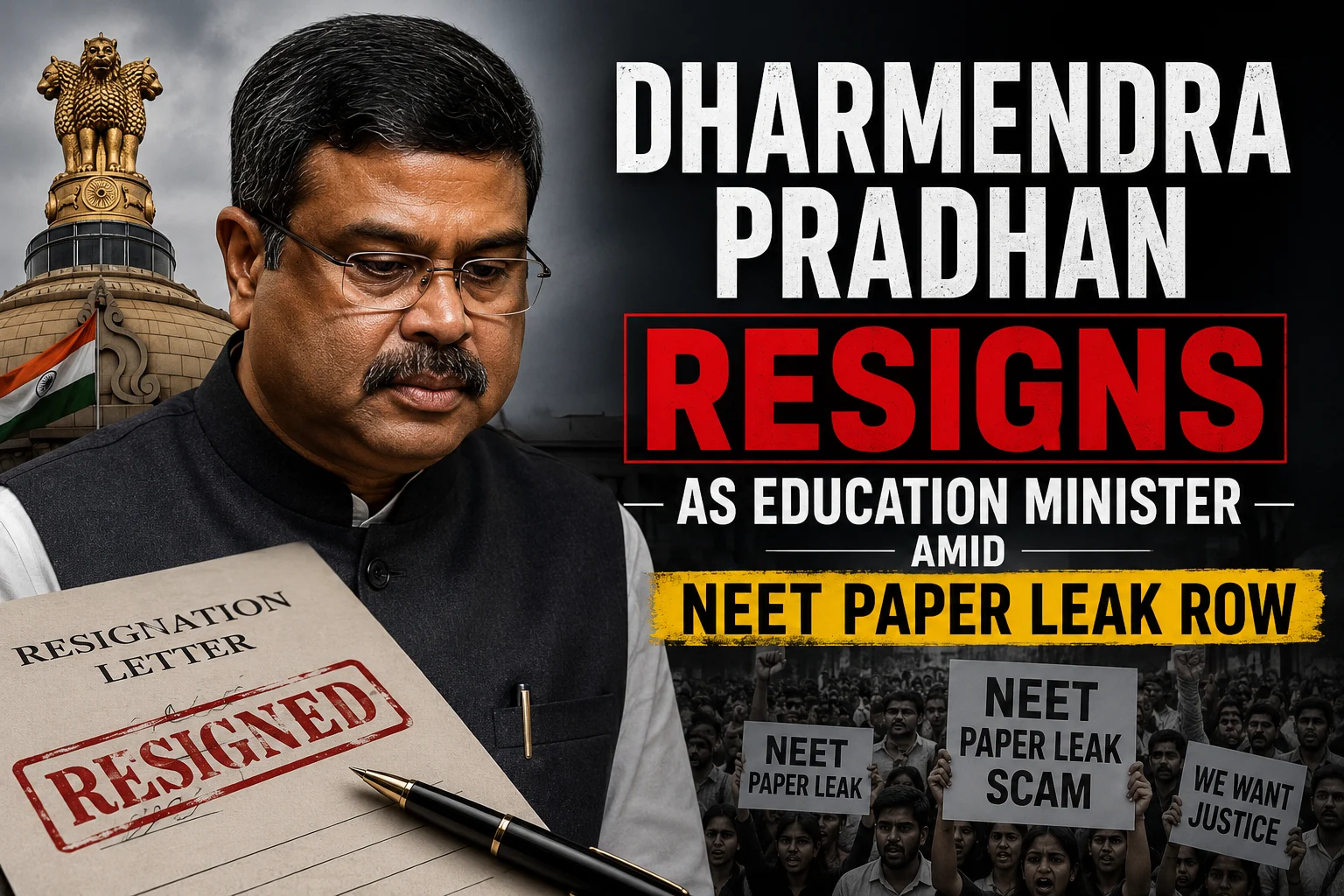
Dharmendra Pradhan Resigns:- In a significant political development, Union Education Minister Dharmendra Pradhan resigns from his cabinet position following weeks of intense nationwide student protests[1][2]. The resignation, officially tendered to Prime Minister Narendra Modi on Saturday, July 25, 2026, marks the climax of the ongoing NEET-UG paper leak controversy that has disrupted the academic futures of over two million students[2][3].
For weeks, students led by organizations like the Cockroach Janta Party (CJP) have taken to the streets, demanding accountability for systemic failures in the examination process[1][4]. While the Central Government initially stood by the minister, escalating pressures and a desire to restore faith in the nation’s education system ultimately prompted his exit[2][4].
In his resignation letter, Pradhan explicitly stated that he stepped down in the larger interest of the youth, ensuring they do not remain “trapped in a web of confusion”[2]. For readers at JivanJarurat.com, we have compiled a comprehensive breakdown of what happened, why it matters, and what this high-profile resignation means for millions of students across India.
What Happened? The Breaking News of the Resignation
On July 25, 2026, India’s political and educational landscape witnessed a massive shift as Dharmendra Pradhan officially stepped down as the Union Minister of Education[1]. After weeks of unrest, protests, and political pressure, the 57-year-old leader took to his social media handle on X (formerly Twitter) to announce that he had submitted his resignation to Prime Minister Narendra Modi[3][5].
This announcement came just hours before the Centre was scheduled to hold its third round of negotiations with the Cockroach Janta Party (CJP), the primary political and student front spearheading the nationwide protests[3]. Until recently, top government sources indicated that replacing the minister was “not on the cards,” but the unyielding nature of the protests and demands for accountability made his continuation untenable[4].
Pradhan emphasized that his decision to quit was not driven by personal prestige but out of a deep responsibility toward the nation’s youth[2][5]. By removing himself from the equation, he hopes the government and the student community can find common ground and move forward to repair the compromised examination system.
The Resignation Letter: Key Statements
In his detailed communication to the Prime Minister, Dharmendra Pradhan touched upon his extensive four-decade-long career in student politics and education reform[2]. Here are the primary highlights from his resignation announcement:
- Responsibility Over Prestige: He stated, “From the very first day, I took responsibility for the situation and never turned away from it. My resolve was that we would not allow the prospects of any meritorious student to be harmed”[2].
- Protecting the Students: Pradhan noted he was stepping down so the country’s youth would not become “trapped in a web of confusion” regarding their futures[2].
- Reaffirming Commitment: Despite his exit, he highlighted his belief that a strong, forward-looking, and inclusive educational framework remains the foundation of a robust nation[2].
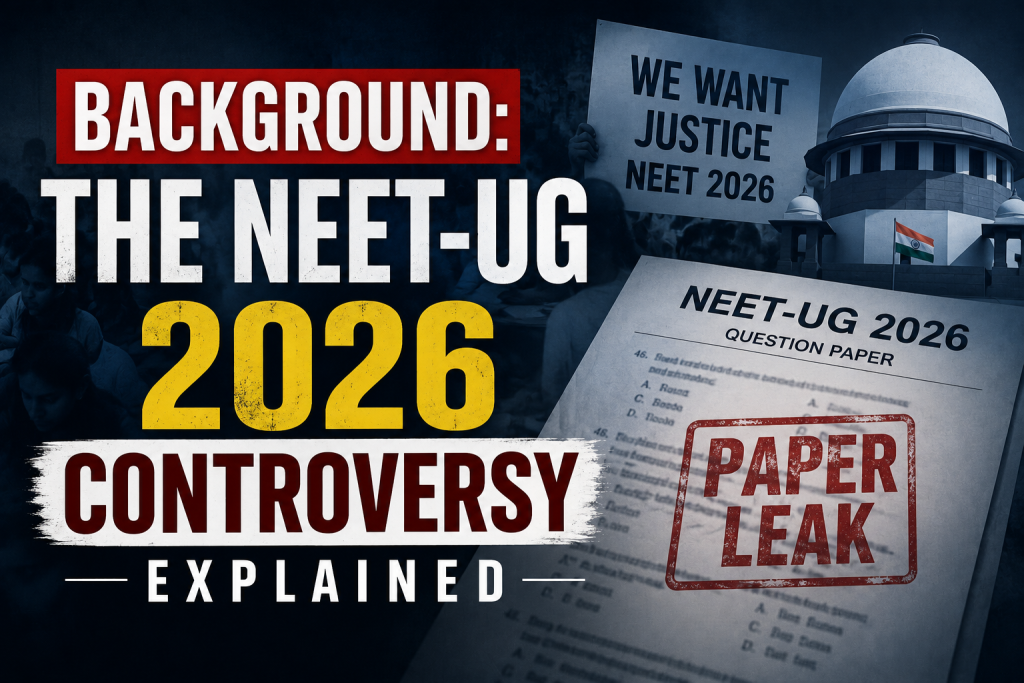
Background: The NEET-UG 2026 Controversy Explained
To understand why a senior cabinet minister had to resign, one must look back at the events of May 3, 2026, the day the National Eligibility cum Entrance Test (Undergraduate) was conducted[2]. NEET-UG is the sole gateway for millions of Indian students aspiring to enter medical colleges.
Shortly after the examination concluded, reports began surfacing about paper leaks and localized irregularities. Coaching institutes, whistleblowers, and students raised alarms about unusually high scores and identical mistakes made by candidates from specific exam centers.
The Ministry of Education acknowledged the discrepancies. To prevent the situation from deteriorating, the government transferred the investigation to the Central Bureau of Investigation (CBI), canceled the compromised exams in affected zones, and scheduled a re-examination to protect the interests of the two million candidates who appeared[2]. Despite these swift administrative actions, public outrage continued to swell. The youth felt that systemic corruption was robbing deserving candidates of their rightful seats in medical colleges.
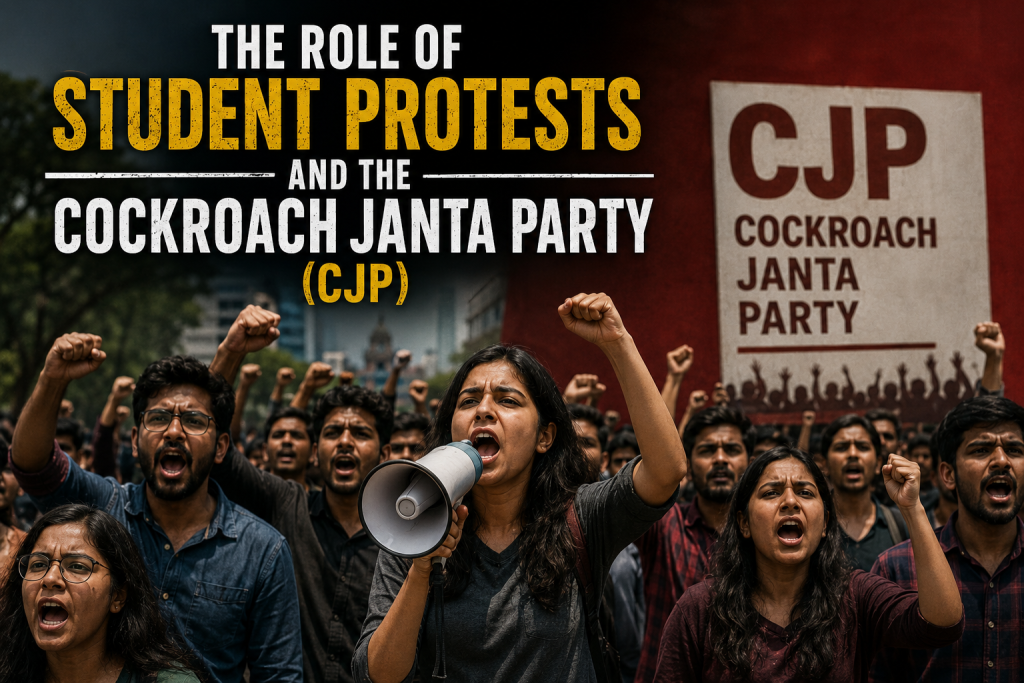
The Role of Student Protests and the Cockroach Janta Party (CJP)
What started as isolated complaints on social media quickly snowballed into one of the largest student movements in recent Indian history. A key player in mobilizing these protests was the Cockroach Janta Party (CJP), alongside various other student unions and opposition parties[3][6].
Why was the protest so aggressive?
- Frustration with the System: Medical aspirants prepare for years, often spending lakhs of rupees on coaching. A compromised exam shatters their dreams overnight.
- Demand for Absolute Accountability: The CJP made it clear that bureaucratic reshuffling was not enough. A two-member delegation of the CJP met Union Ministers, insisting that Dharmendra Pradhan’s resignation was “non-negotiable”[7].
- Police Action: On July 20, 2026, protesting students were allegedly subjected to a brutal lathi charge by the police, further angering the public and drawing widespread condemnation[7][8].
The relentless pressure, including calls for regional strikes like the “Bihar Bandh” spearheaded by AISA, left the government with little choice but to concede to the students’ primary demand[8].


