

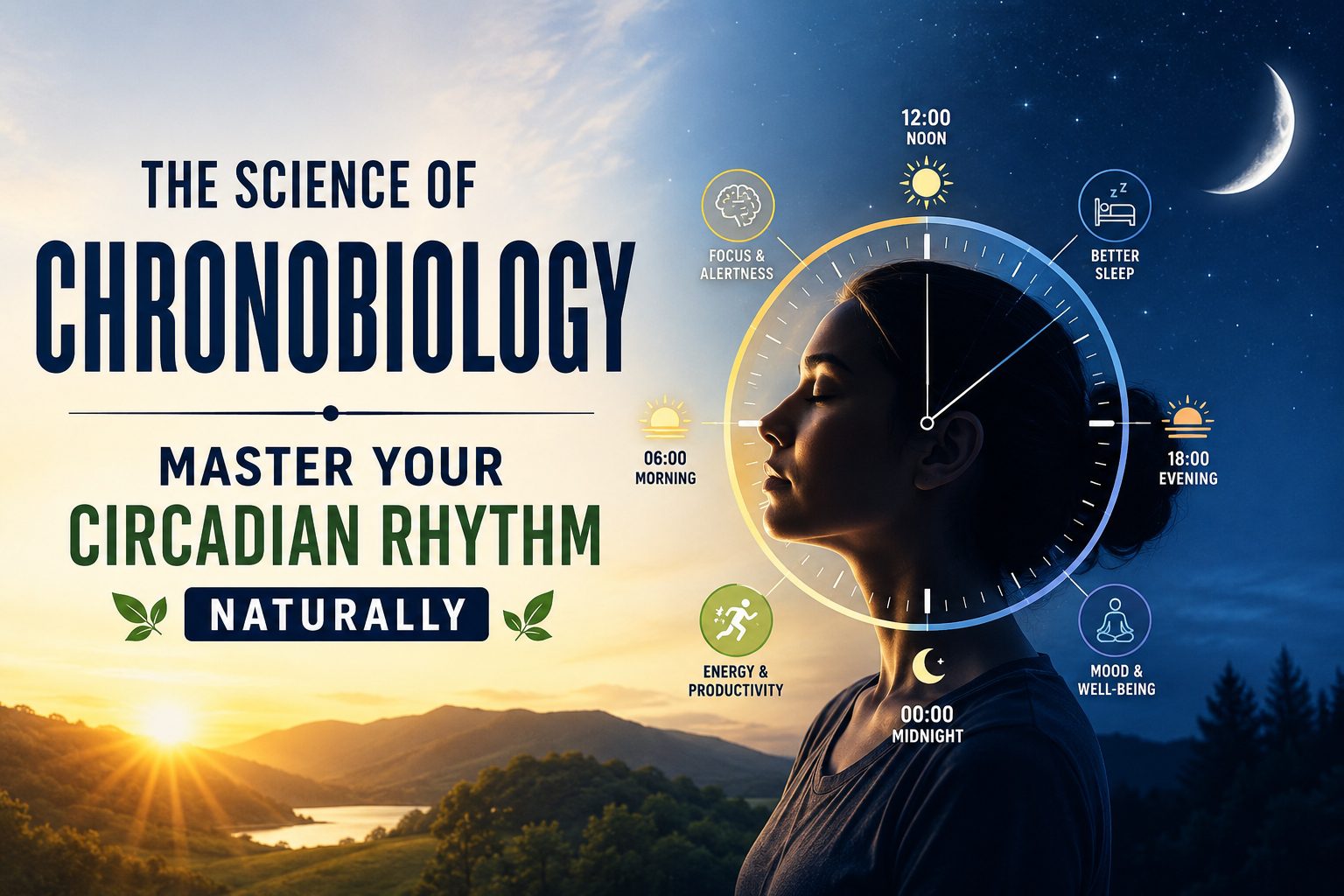
Introduction: Why Modern Life Disrupts Your Internal Clock
Do you often feel exhausted during the afternoon even after sleeping well? Or maybe you stay awake late at night scrolling on your phone despite needing to wake up early. These issues are not simply lifestyle mistakes—they are signs that your circadian rhythm lifestyle is out of balance.
Modern life exposes us to artificial light, irregular meal timing, and inconsistent sleep schedules. All of these factors confuse the body’s internal clock. While many people focus only on diet and exercise, chronobiology research shows that timing plays an equally important role in overall wellness.
A properly aligned circadian rhythm lifestyle can improve sleep quality, boost metabolism, increase productivity, support digestion, and even help with long-term health.
What Is the Circadian Rhythm?
Your circadian rhythm is a natural 24-hour cycle that regulates sleep, hormones, body temperature, digestion, and energy levels. This system is controlled by the brain’s “master clock,” known as the Suprachiasmatic Nucleus (SCN).
The SCN responds mainly to light exposure. Morning sunlight signals alertness and energy production, while darkness encourages melatonin release for sleep.
Interestingly, the body also contains smaller “peripheral clocks” in organs like the liver, gut, and skin. When these clocks become misaligned, your circadian rhythm lifestyle suffers, leading to fatigue, poor concentration, digestive discomfort, and metabolic imbalance.
1. Morning Sunlight: The Foundation of a Healthy Circadian Rhythm Lifestyle
One of the most effective ways to improve your circadian rhythm lifestyle is exposure to natural sunlight within 30 minutes of waking up.
Why Morning Light Matters
Natural sunlight helps:
- Increase alertness
- Regulate cortisol naturally
- Improve mood and focus
- Set the body’s sleep timer for nighttime melatonin production
Try spending 10–20 minutes outdoors every morning. Direct outdoor light is far more effective than indoor lighting or sunlight through windows.
Simple Morning Routine
- Wake up at a consistent time
- Step outside for sunlight exposure
- Avoid checking your phone immediately
- Drink water and move your body gently
These small habits strengthen your biological clock health over time.
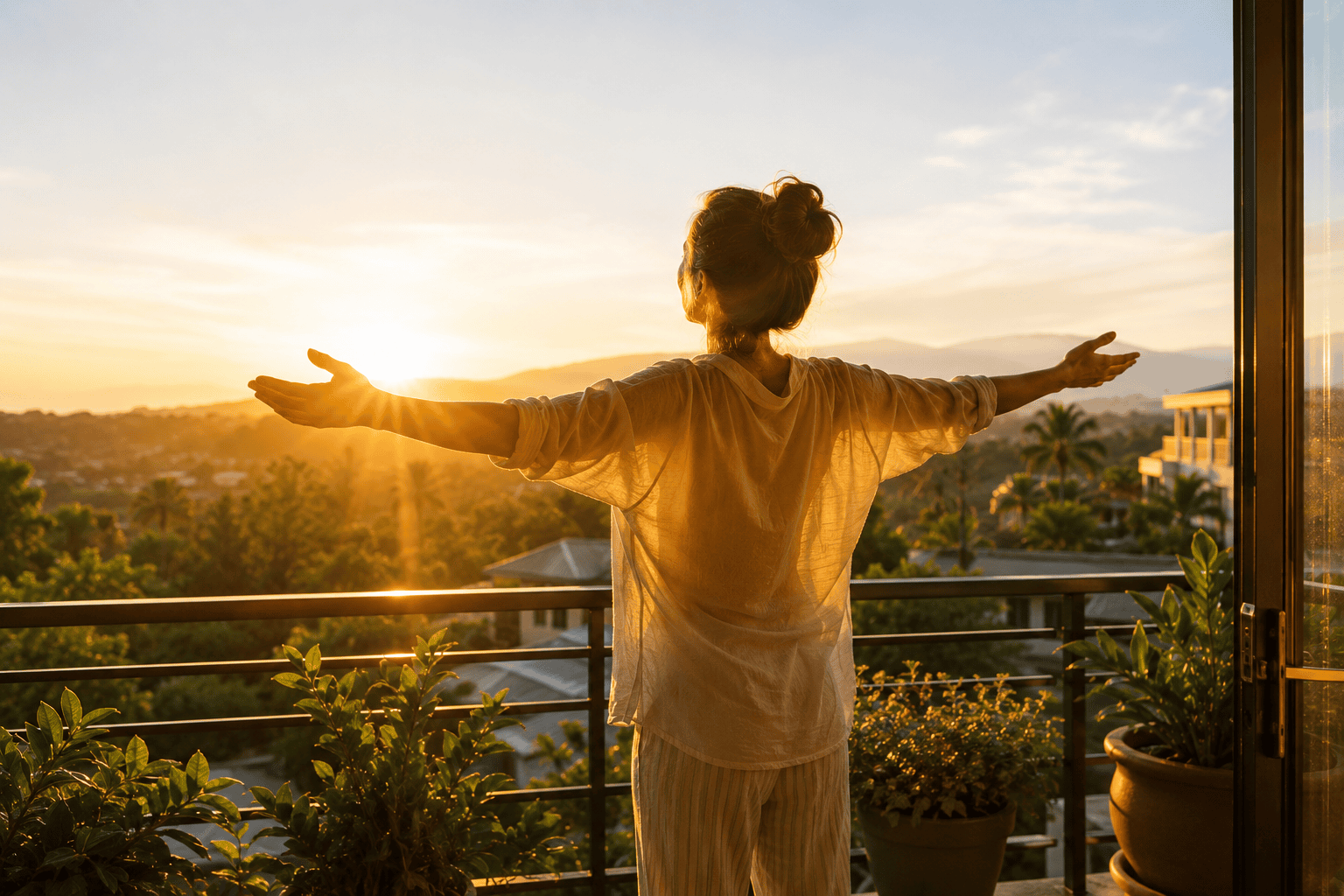
ALT Text: Person enjoying morning sunlight outdoors with benefits of morning light listed on the side that helps to improve circadian rhythm lifestyle.
2. Circadian Eating: Why Meal Timing Matters
A healthy circadian rhythm lifestyle also depends on when you eat. Your digestive system follows a daily rhythm, with insulin sensitivity and digestion working best earlier in the day.
The Problem With Late-Night Eating
Eating heavy meals late at night can:
- Disrupt digestion
- Increase fat storage
- Reduce sleep quality
- Affect metabolism negatively
Try Time-Restricted Eating
Chronobiology experts often recommend eating within a 10-hour window.
Example:
- First meal: 8:00 AM
- Last meal: 6:00 PM
This gives the body enough time for overnight repair and supports a balanced circadian rhythm lifestyle.
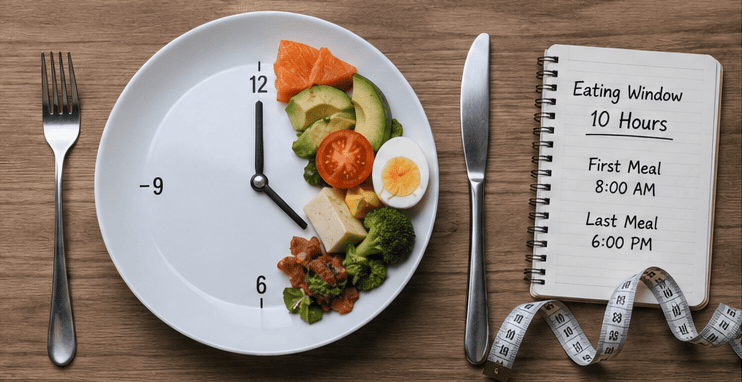
ALT Text: Plate arranged like a clock showing meal timing concept with a 10-hour eating window written on a notepad.
3. Productivity and Mental Performance Throughout the Day
Your brain does not perform equally at all hours. Understanding these natural energy cycles can help optimize daily performance.
Morning Peak
For most people, morning hours are best for:
- Deep work
- Studying
- Strategic thinking
- Creative focus
Afternoon Dip
Between 2 PM and 4 PM, energy often decreases naturally. This is a better time for:
- Emails
- Meetings
- Administrative work
- Short walks
Evening Recovery
Many people experience a second wave of creativity during the evening. Light creative tasks may feel easier during this time.
Aligning work with your circadian rhythm lifestyle can improve productivity without increasing stress.
- Best Exercise Timing for Energy and Fitness
Exercise timing also influences your circadian rhythm.
Morning Workouts
Morning exercise can:
- Improve consistency
- Increase daily energy
- Support fat burning
- Boost mood naturally
Evening Workouts
Late afternoon or early evening workouts are ideal for:
- Strength training
- High-intensity exercise
- Athletic performance
At this time, body temperature and flexibility are generally higher.
A balanced circadian rhythm lifestyle includes regular movement at a time that feels sustainable.
4. Blue Light and Sleep Disruption
Artificial blue light from phones, TVs, and LED lighting can confuse the brain into thinking it is still daytime.
Effects of Excessive Blue Light
- Delayed melatonin production
- Difficulty falling asleep
- Poor sleep quality
- Mental fatigue
Healthy Evening Habits
To protect your circadian rhythm lifestyle:
- Dim lights after sunset
- Reduce screen time before bed
- Use warm lighting indoors
- Keep devices away from the bed
Creating a digital sunset can dramatically improve sleep quality.
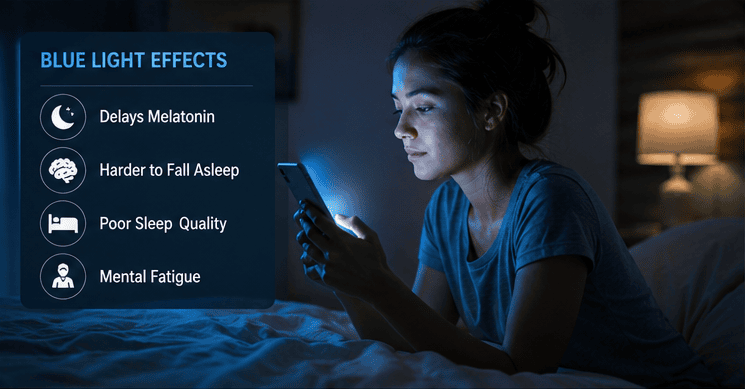
ALT Text: Person using smart phone at night with blue light effects listed on the side.
5. Temperature and Deep Sleep
Body temperature naturally drops before sleep. Supporting this process helps the body enter deeper restorative sleep stages.
Helpful Sleep Tip
Take a warm shower or bath about 90 minutes before bedtime. This helps the body cool down afterward, signaling the brain that it is time to sleep.
For better rest:
- Keep the room cool
- Reduce noise
- Avoid bright lights
- Follow a consistent bedtime
These habits strengthen a healthy circadian rhythm lifestyle naturally.
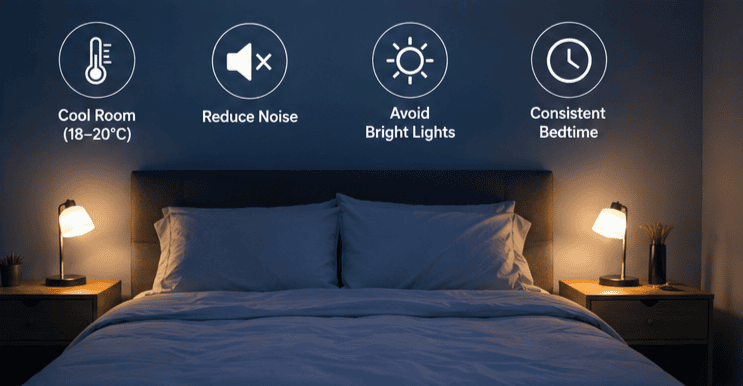
ALT Text: Bedroom setup for good sleep with key factors like cool room, darkness, less noise, and consistent bedtime.
6. Social Jetlag: The Hidden Weekend Problem
Many people wake up early on weekdays but sleep much later on weekends. This shift is known as social jetlag.
Even a few hours of schedule inconsistency can:
- Reduce energy
- Affect mood
- Disrupt hormones
- Interfere with sleep patterns
To maintain a stable circadian rhythm lifestyle, keep your wake-up time consistent throughout the week.
7. Circadian Rhythm and Long-Term Health
Research increasingly shows that disrupted biological rhythms may contribute to:
- Obesity
- Diabetes
- Heart disease
- Chronic inflammation
- Cognitive decline
A stable circadian rhythm lifestyle supports cellular repair, hormone balance, and healthy aging.
By following natural light-dark cycles, the body functions more efficiently and experiences less internal stress.
- Daily Checklist for a Healthy Circadian Rhythm Lifestyle
Morning
- Wake up at the same time daily
- Get 15 minutes of sunlight
- Eat a protein-rich breakfast
Afternoon
- Focus on deep work earlier in the day
- Take short outdoor breaks
- Stay physically active
Evening
- Finish dinner early
- Reduce screen exposure
- Dim lights after sunset
- Sleep in a cool, dark room
8. Summary Checklist for a Circadian Lifestyle
To help you optimize your daily routine, follow this daily checklist:
7:00 AM: Wake up and view natural sunlight for 15 minutes.
8:30 AM: Eat a high-protein breakfast to jumpstart your metabolism.
9:00 AM – 12:00 PM: Tackle your most difficult tasks (Deep Work).
1:00 PM: Take a 20-minute walk outside to get midday light.
2:00 PM – 4:00 PM: Administrative tasks, chores, or a power nap (under 20 mins).
5:00 PM: Exercise for peak strength and flexibility.
7:00 PM: Last meal of the day (start the 14-hour fast).
8:30 PM: Dim the lights; turn off the TV; wear blue light blockers.
10:00 PM: Go to sleep in a cool, dark room (65°F or 18°C).
Conclusion
Your body was designed to follow natural rhythms. Modern habits like late-night scrolling, irregular sleep schedules, and constant artificial light interfere with these ancient biological systems.
Improving your circadian rhythm lifestyle does not require extreme changes. Simple adjustments—morning sunlight, consistent sleep timing, balanced eating schedules, and reduced nighttime light exposure—can transform your energy, focus, and health.
Start with one habit today. Even small steps toward a healthier circadian rhythm lifestyle can create lasting improvements in sleep, productivity, and overall well-being.
DoFollow our website Jivan Jarurat for more such interesting blogs.