

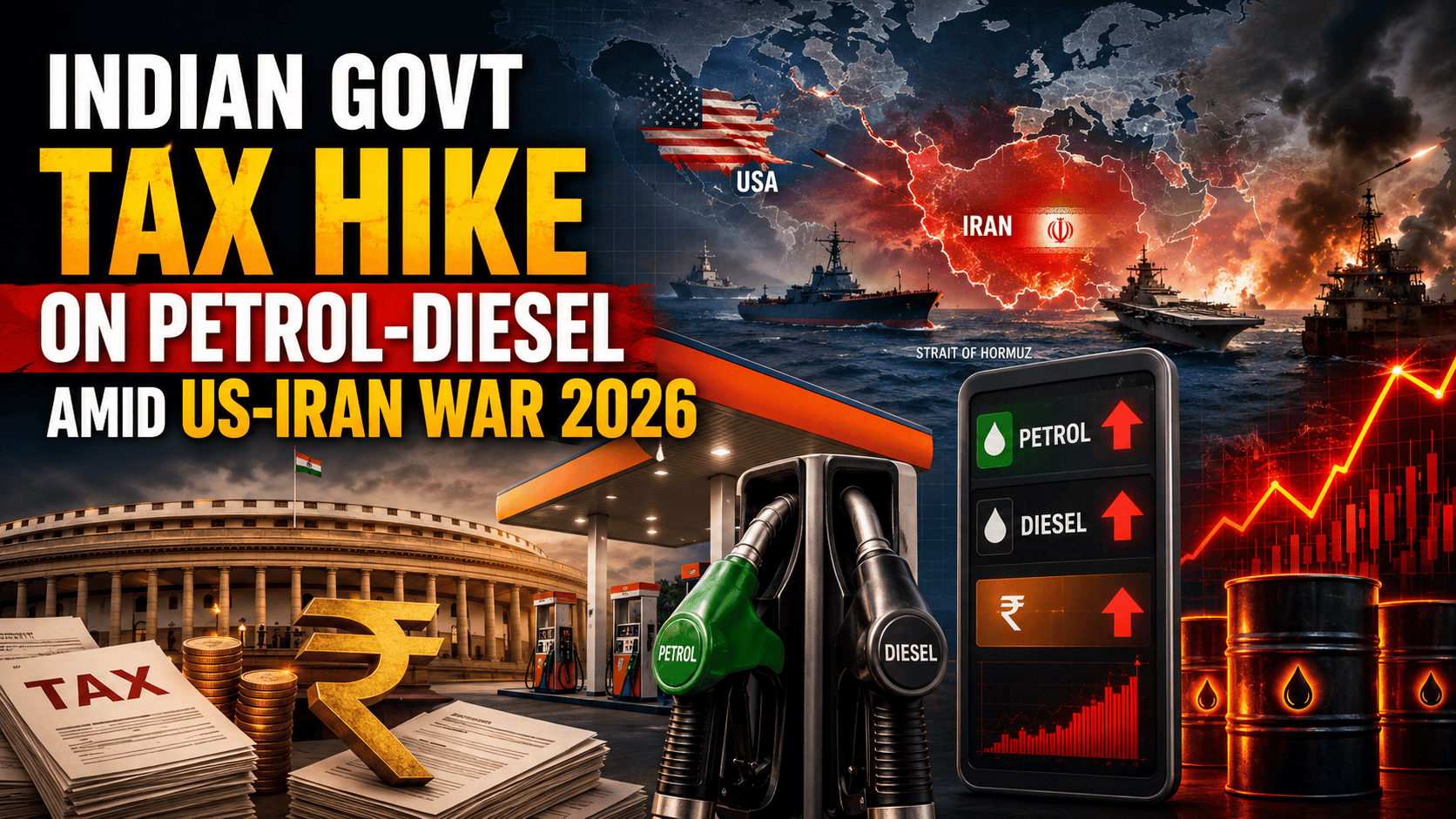
The ongoing geopolitical turbulence in the Middle East has sent massive ripples across global financial markets, and India is taking proactive measures to shield its domestic energy sector. In a major fiscal decision implemented on July 16, 2026, the Indian government announced a substantial revision in export duties on petroleum products. The highly debated tax hike on petrol-diesel and Aviation Turbine Fuel (ATF) exports comes as a direct response to the escalating America and Iran war, which has triggered a steep surge in international crude oil prices.
As global oil markets face severe volatility, Indian authorities have strategically stepped in to discourage large-scale exports of fuel by private refiners. The primary goal is to ensure a steady, uninterrupted supply of automotive fuels across the nation and insulate ordinary citizens from the immediate shocks of the international crisis.
Understanding the New Tax Hike on Petrol-Diesel and ATF Exports
To comprehend the magnitude of this policy change, it is essential to look at the revised tax structures notified by the Ministry of Finance. Known formally as the Special Additional Excise Duty (SAED) or the “windfall tax,” these levies are recalibrated every fortnight based on average international crude prices.
Under the latest notification, the windfall tax on diesel exports has witnessed a sharp increase. The levy on high-speed diesel has been raised from ₹8.50 per litre to a staggering ₹15.50 per litre. Similarly, the SAED on Aviation Turbine Fuel (ATF) has been hiked from ₹7.50 to ₹14.50 per litre.
Interestingly, while diesel and ATF faced significant tax hikes, the government provided marginal relief on petrol exports, reducing the levy from ₹4.00 to ₹2.50 per litre. This nuanced approach highlights the government’s focus on balancing specific fuel shortages and adjusting to distinct global demands for varying refined products.
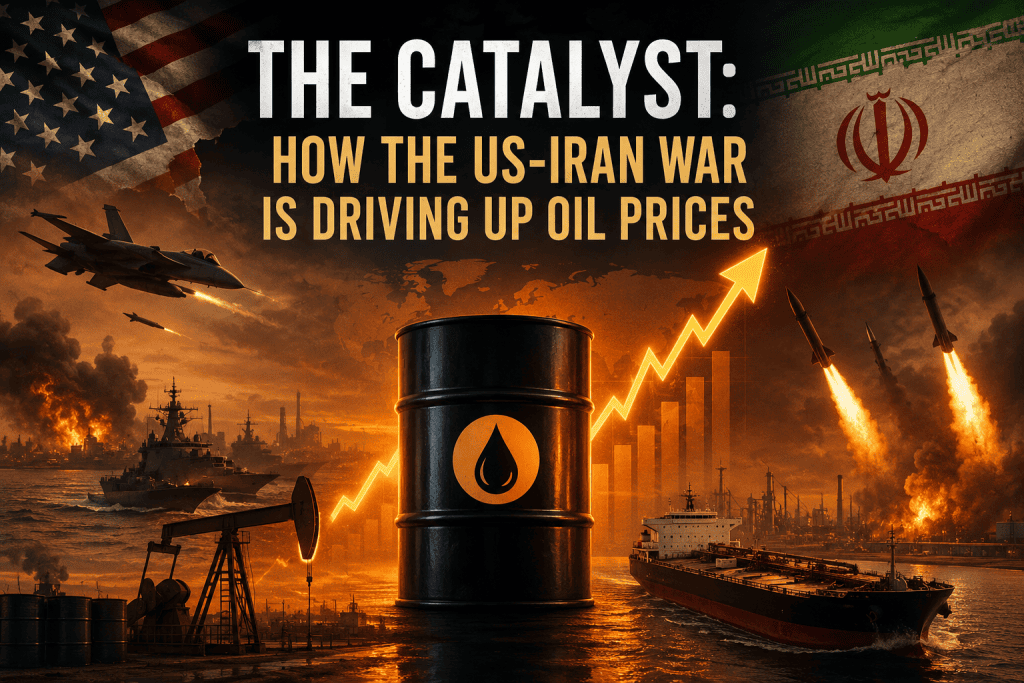
The Catalyst: How the US-Iran War is Driving Up Oil Prices
The direct catalyst for this urgent tax hike on petrol-diesel exports is the severe deterioration of relations and the subsequent outbreak of conflict between the United States and Iran. With both nations locked in a severe military and economic standoff, the global oil supply chain has been profoundly disrupted.
Iran’s geographical proximity to the Strait of Hormuz—a crucial maritime chokepoint through which approximately 20% of the world’s daily oil supply passes—makes this conflict particularly dangerous for energy markets[5]. The fear of naval blockades, targeted attacks on oil infrastructure, and sweeping international sanctions have caused Brent crude prices to skyrocket past the $85-a-barrel mark, with market analysts warning of further escalations if the violence prolongs.
For a rapidly growing economy like India, which currently imports more than 80% of its crude oil requirements, such international volatility poses a significant macroeconomic threat. By increasing the windfall tax, the Indian government aims to capture the excessive profits that domestic refiners might otherwise make by selling their output to desperate international buyers at inflated wartime prices.
For more updates on how global events shape our daily lives and domestic markets, you can also read our comprehensive reports in the news section on Jivan Jarurat.
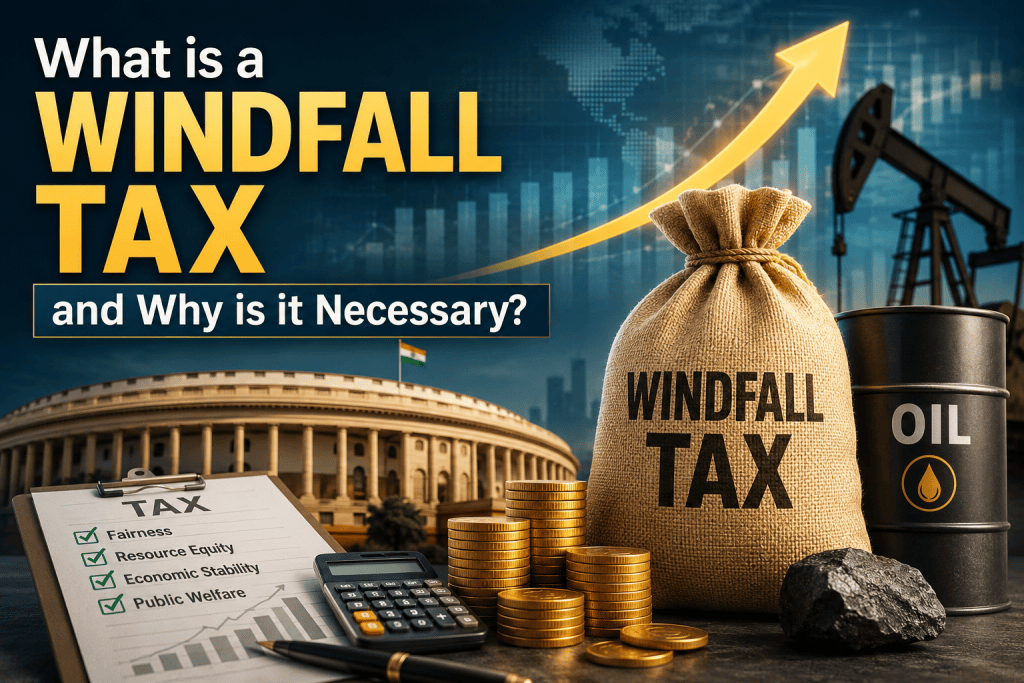
What is a Windfall Tax and Why is it Necessary?
A windfall tax is a higher tax rate imposed on specific industries when they experience a sudden, massive increase in profits due to external events, rather than their own internal investments or business expansions. In the petroleum sector, Indian refiners—particularly large private players—buy crude oil from international markets, refine it, and sell it globally.
When international fuel prices surge due to geopolitical crises like the current US-Iran war, these refiners stand to make extraordinary profit margins (or “windfall gains”) by exporting their products to European and American markets. If left unchecked, this profit motive could lead to a severe fuel shortage within India, as companies would naturally prefer to export their fuel rather than sell it domestically at regulated prices.
To prevent domestic fuel pumps from running dry, the government utilizes the SAED mechanism. The newly introduced tax hike on petrol-diesel and ATF exports acts as an effective economic deterrent. It makes it less lucrative for refiners to ship fuel overseas, thereby forcing them to prioritize the domestic market and ensure the nation has adequate fuel reserves.
Will Domestic Retail Fuel Prices Increase?
The most pressing question for the common citizen following this announcement is whether the retail cost of fuel will go up. Fortunately, the government has provided reassuring news for local consumers. The current tax hike on petrol-diesel applies strictly to the export of fuel.
There is absolutely no change in the existing excise duty rates for fuels cleared for domestic consumption[1][2]. State-run Oil Marketing Companies (OMCs) like Indian Oil Corporation, Bharat Petroleum, and Hindustan Petroleum are maintaining current retail prices. Despite the massive surge in global crude prices, retail rates in major metropolitan cities—such as Delhi, Mumbai, Kolkata, and Chennai—remain completely unchanged as of mid-July 2026.
However, if the US-Iran conflict turns into a protracted war and crude oil prices remain exceptionally high for an extended period, OMCs may eventually face under-recoveries (financial losses). If that worst-case scenario unfolds, the government might have to reconsider domestic pricing structures. But for the immediate future, consumers are fully shielded from the economic impact of the war.
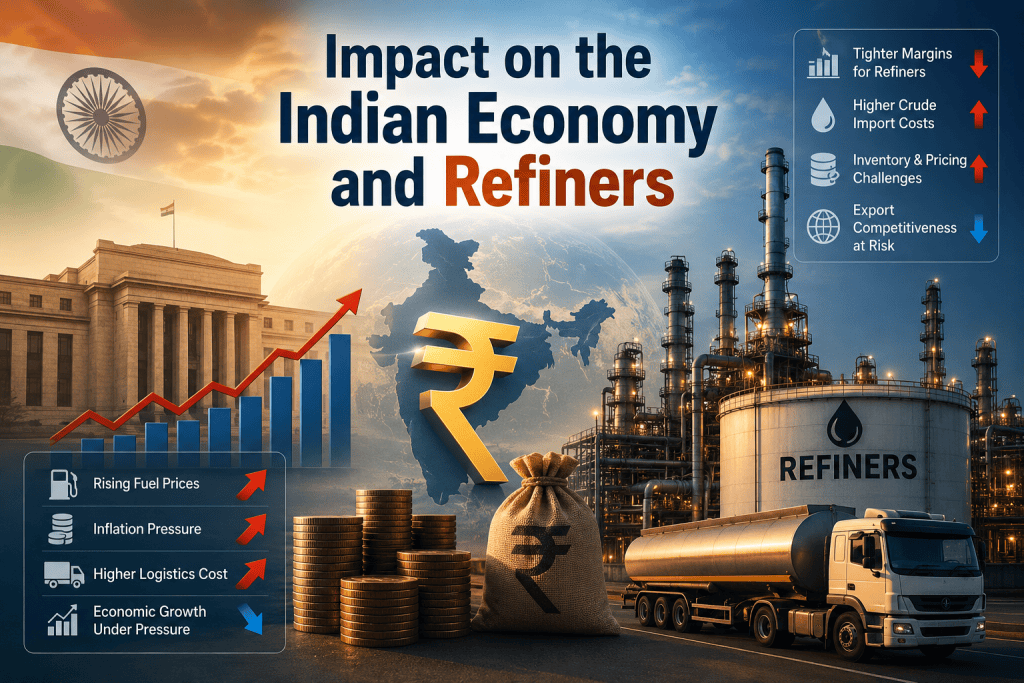
Impact on the Indian Economy and Refiners
The increase in the windfall tax serves a dual purpose for the Indian macroeconomic landscape. First, it guarantees national energy security by keeping the local fuel supply robust. Second, it generates crucial additional revenue for the central exchequer. The extra funds collected from the increased SAED can be strategically utilized by the government to bridge fiscal deficits or fund public welfare schemes during these challenging economic times.
On the other hand, the tax hike poses a temporary setback for major private refiners and exporters. Companies that rely heavily on exporting refined petroleum products will see their profit margins compress. The higher levy on diesel and ATF significantly bites into the premium they would have otherwise earned in the panicked international market. Nevertheless, the marginal reduction in the petrol export levy offers a slight buffer for refiners dealing predominantly in motor spirit.
To stay updated on how government policies and international trends affect your personal finances and well-being, don’t forget to check out our health and lifestyle tips on Jivan Jarurat.
Historical Context of Windfall Taxes in India
The concept of imposing a windfall tax on petroleum products is relatively new within the Indian fiscal framework. It was first introduced in the middle of 2022, amidst the severe global energy crisis sparked by the Russia-Ukraine war. At that time, crude prices had soared to unprecedented levels, and Indian refiners were rapidly capitalizing on the global shortage by exporting massive volumes of fuel.
Since then, the Ministry of Finance has established a routine and transparent mechanism to review these taxes on a fortnightly basis. The core objective has always been highly pragmatic: balancing the profitability and growth of Indian businesses with the fundamental necessity of maintaining domestic energy security. The recent tax hike on petrol-diesel in July 2026 is simply the latest iteration of this dynamic regulatory approach, triggered this time by Middle Eastern instability rather than Eastern European conflicts.
Future Outlook: Navigating the Global Energy Crisis
As the military and diplomatic situation between the United States and Iran remains highly fluid, energy analysts predict continued volatility in global crude oil markets. The Indian government’s swift decision to impose a heavy tax hike on petrol-diesel exports highlights its commitment to maintaining macroeconomic stability in the face of imported inflation.
Looking ahead, the trajectory of fuel policies in India will heavily depend on how long the Middle Eastern conflict lasts and whether other major oil-producing nations intervene to stabilize the global supply chain. Until a sustainable diplomatic resolution is reached, the global energy sector will remain on edge. India’s fortnightly windfall tax revisions will continue to serve as a primary barometer of the nation’s defensive economic strategy.
Citizens are advised to stay informed about global geopolitical developments, as these macro events ultimately trickle down to the microeconomics of everyday life. The government’s proactive measures ensure that, at least for the present, the common man’s daily commute remains completely unaffected by the distant drums of war.
13. 5 Frequently Asked Questions
Q1: Why did the Indian government announce a tax hike on petrol-diesel exports?
A1: The government increased the windfall tax on diesel and aviation fuel exports to secure domestic supply[4]. The hike discourages domestic oil companies from exporting excessive amounts of fuel to cash in on high international prices caused by the escalating US-Iran war[2][3].
Q2: Will the new tax hike increase retail petrol and diesel prices in India?
A2: No. The recent tax adjustments apply exclusively to petroleum exports[2][3]. Domestic excise duty remains entirely unchanged, meaning everyday consumers will not see an immediate price increase at local retail petrol pumps[2][3].
Q3: What exactly is a windfall tax?
A3: A windfall tax is a specialized, higher tax rate levied by the government on specific industries that experience a sudden, massive increase in profits due to external events—such as surging global oil prices during unexpected geopolitical conflicts[2][3].
Q4: How does the US-Iran war affect Indian fuel prices?
A4: The conflict threatens vital oil supplies passing through Middle Eastern maritime routes like the Strait of Hormuz[5]. This threat drives up global crude oil prices. Since India imports over 80% of its crude oil, the surge in international prices heavily impacts the country’s import bills and refining costs[1][3].
Q5: How often does the government review these export taxes?
A5: The Ministry of Finance routinely reviews and revises the Special Additional Excise Duty (SAED)—or windfall tax—every two weeks[4]. Adjustments are made based on the average international prices of crude oil and refined petroleum products during the preceding fortnight[1].
14. Key Takeaways
- Significant Tax Hikes: The windfall tax on diesel exports increased from ₹8.50 to ₹15.50 per litre, and the tax on ATF surged from ₹7.50 to ₹14.50 per litre[2].
- Minor Relief for Petrol: The export levy on petrol was marginally reduced from ₹4.00 to ₹2.50 per litre[2][4].
- Geopolitical Trigger: These sudden tax revisions were directly triggered by surging global crude oil prices resulting from the intense US-Iran conflict[1][3].
- Consumer Protection: Domestic retail prices for petrol and diesel remain firmly unchanged, actively protecting Indian consumers from the immediate economic shock of the war[2][7].
- Energy Security: The strict measures successfully ensure sufficient domestic fuel availability by disincentivising companies from pursuing highly profitable international exports[2][3].