
Probiotics vs Prebiotics: Key Differences & Benefits Explained
In recent years, gut health has become one of the most talked-about topics in wellness and medicine. Whether you are scrolling through social media or visiting a nutritionist, you have likely heard that a healthy stomach is the foundation of a healthy body. However, as the conversation around digestive wellness grows, so does the confusion surrounding the terminology.
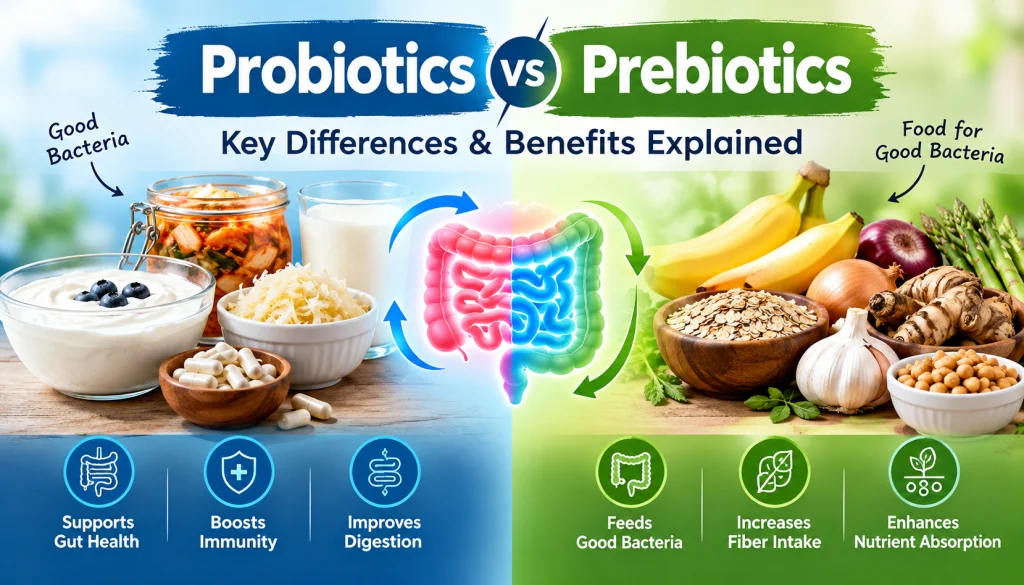
One of the most common questions people ask is regarding probiotics vs prebiotics. While they sound incredibly similar and both play a vital role in keeping your digestive system running smoothly, they serve entirely different functions.
Think of your gut as a beautiful garden. In this analogy, probiotics are the actual seeds and plants that grow to make the garden vibrant. Meanwhile, prebiotics are the high-quality fertilizer and water that nourish those plants, helping them thrive. If you want a blooming garden, you cannot rely on just one; you need both.
In this comprehensive guide, we will break down exactly what these terms mean, explore the health benefits of each, and show you how to easily incorporate them into your daily Indian diet.
Understanding the Gut Microbiome
Before we dive into the specifics of probiotics and prebiotics, it is crucial to understand the environment they operate in: the gut microbiome.
Your digestive tract is home to trillions of microorganisms, including bacteria, fungi, and viruses. While the word “bacteria” often has a negative reputation associated with diseases, the vast majority of the bacteria in your gut are highly beneficial.
These microscopic helpers are responsible for breaking down food, absorbing nutrients, fighting off dangerous pathogens, and even producing essential vitamins like Vitamin K. Furthermore, recent scientific studies have revealed a strong connection between the gut microbiome and the brain—often referred to as the “gut-brain axis.” This means that the health of your stomach directly impacts your mood, stress levels, and overall mental well-being.
When the balance of good and bad bacteria is disrupted—due to poor diet, stress, or antibiotic use—you may experience bloating, acidity, constipation, or a weakened immune system. This is precisely where probiotics and prebiotics come to the rescue.
What Are Probiotics?
Probiotics are live, active microorganisms that provide a multitude of health benefits when consumed in adequate amounts. Simply put, they are the “good bacteria” that you introduce into your body to support your existing gut flora.
How Probiotics Work
When you consume probiotics, you are directly adding beneficial bacteria to your digestive tract. These living organisms travel down into your intestines, where they set up camp and begin multiplying. They help restore the natural balance of your gut microbiome, especially after it has been depleted by illnesses, bad dietary choices, or a course of antibiotics.
The two most common and heavily researched strains of probiotics are Lactobacillus and Bifidobacterium.
Top Natural Food Sources of Probiotics
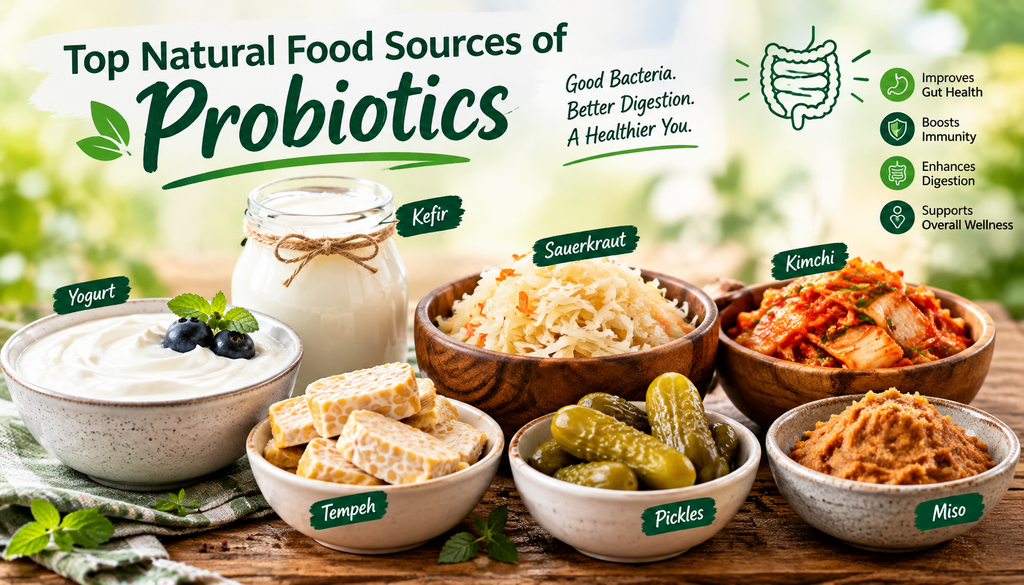
You do not necessarily need expensive supplements to get your daily dose of good bacteria. Traditional Indian diets are naturally rich in probiotic foods due to our historical reliance on fermentation. Excellent sources include:
- Yogurt (Dahi): The most accessible and popular source of probiotics. Ensure you consume fresh, homemade curd or store-bought versions that mention “live active cultures.”
- Buttermilk (Chaas): A staple in Indian households, especially during summer. Traditional chaas is packed with healthy bacteria.
- Fermented Batter (Idli and Dosa): The fermentation process used to make South Indian staples creates a gut-friendly environment.
- Fermented Rice (Pakhala or Kanjivellam): Soaking cooked rice in water overnight ferments it, producing high levels of beneficial bacteria.
- Kombucha and Kefir: These fermented beverages are gaining immense popularity for their high probiotic content.
- Pickles (Achaar): Traditionally fermented vegetables (without excess vinegar) are excellent sources of probiotics.
Health Benefits of Probiotics
Adding probiotic foods to your routine offers numerous scientifically backed advantages:
- Improves Digestion: Helps reduce symptoms of irritable bowel syndrome (IBS), bloating, and gas.
- Boosts Immunity: By crowding out harmful pathogens in the gut, probiotics strengthen your body’s natural defense mechanisms.
- Prevents Diarrhea: Highly effective in preventing and treating antibiotic-associated diarrhea.
- Supports Mental Health: A balanced gut flora can help alleviate symptoms of anxiety and mild depression.
What Are Prebiotics?
If probiotics are the living bacteria, then prebiotics are their food. Prebiotics are types of non-digestible dietary fiber that pass safely through the upper part of the gastrointestinal tract and remain undigested until they reach the colon.
How Prebiotics Work
Because the human body cannot break down these complex carbohydrates, they travel intact to the large intestine. Once there, they are fermented by the beneficial bacteria (the probiotics) already living in your gut. This fermentation process produces short-chain fatty acids (SCFAs), such as butyrate, which provide energy to your colon cells, reduce inflammation, and strengthen the gut barrier.
Top Natural Food Sources of Prebiotics
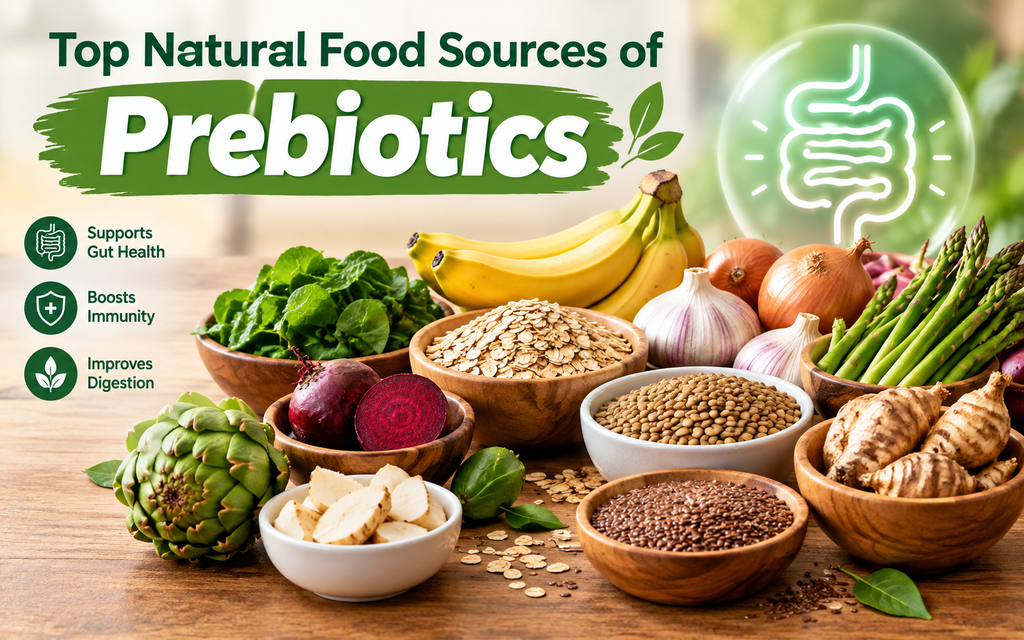
You are likely already eating many prebiotic foods without even realizing it. Some of the best natural sources include:
- Garlic (Lahsun) and Onions (Pyaaz): These pungent vegetables are incredibly rich in inulin, a powerful prebiotic fiber.
- Bananas (Kela): Unripe or slightly green bananas are particularly high in resistant starch, which gut bacteria love.
- Apples: Contains pectin, a type of fiber that increases butyrate production.
- Oats: Whole oats contain beta-glucan fiber, linked to healthy gut bacteria and lower cholesterol.
- Flaxseeds (Alsi): A great source of both prebiotic fiber and healthy omega-3 fatty acids.
- Isabgol (Psyllium Husk): A traditional Indian remedy for digestion that acts as a fantastic prebiotic.
Health Benefits of Prebiotics
Prebiotics do more than just feed bacteria; they offer their own unique set of benefits:
- Enhances Mineral Absorption: Helps the body absorb calcium and magnesium more efficiently, promoting bone health.
- Regulates Blood Sugar: Soluble fibers slow down digestion, preventing sudden spikes in blood glucose levels.
- Promotes Weight Management: Prebiotic fibers increase feelings of fullness (satiety), which can help prevent overeating.
- Lowers Inflammation: The short-chain fatty acids produced from prebiotics help reduce systemic inflammation throughout the body.
Probiotics vs Prebiotics: The Ultimate Comparison
To make the distinction completely clear, let us look at a direct comparison of probiotics vs prebiotics.
| Feature | Probiotics | Prebiotics |
| Definition | Live beneficial bacteria. | Non-digestible plant fibers. |
| Primary Role | Adds new good bacteria to the gut microbiome. | Feeds and nourishes the existing good bacteria. |
| Source Type | Fermented foods and supplements. | Fiber-rich vegetables, fruits, and whole grains. |
| Heat Sensitivity | Highly sensitive. Cooking can kill them. | Resilient. Unaffected by cooking or baking. |
| Stomach Acid | Many strains are destroyed by strong stomach acid. | Easily survives stomach acid to reach the colon. |
| Examples | Curd, Chaas, Idli, Kefir, Kombucha. | Garlic, Onion, Banana, Oats, Apples. |
The Power of Synbiotics: Why You Need Both
Understanding the difference between probiotics and prebiotics is helpful, but the real magic happens when you combine them. This powerful combination is known as a synbiotic.
Because probiotics are living organisms, they need sustenance to survive the harsh journey through your stomach acid and thrive in your intestines. By consuming prebiotics at the same time, you are sending the bacteria down with their own packed lunch.
Creating synbiotic meals is incredibly easy and delicious. Here are a few practical examples for your daily routine:
- Dahi with Bananas: A bowl of fresh homemade curd topped with sliced bananas.
- Oats with Yogurt: Overnight oats soaked in milk and yogurt, topped with apples.
- Garlic in Buttermilk: Adding crushed garlic and cumin to a glass of fresh chaas.
- Dosa with Onion Chutney: The fermented dosa provides probiotics, while the raw onions provide prebiotics.
Natural Food Sources vs. Supplements
With the booming wellness industry, pharmacy shelves are filled with probiotic and prebiotic supplements. But do you really need them?
The Case for Natural Foods
For the average healthy person, getting these nutrients from a balanced diet is always the best approach. Natural foods provide a wide matrix of vitamins, minerals, and antioxidants alongside gut-boosting properties. Furthermore, dietary fibers from whole foods offer a slow, sustained release of nutrients.
The Case for Supplements
However, supplements have their place. If you are recovering from a heavy course of antibiotics, suffering from severe IBS, or traveling to a region with unsafe drinking water, a targeted probiotic supplement can be highly beneficial.
When choosing a probiotic supplement, look for one that:
- Contains at least 10 to 50 billion CFUs (Colony Forming Units).
- Includes multiple strains (both Lactobacillus and Bifidobacterium).
- Is encased in a delayed-release capsule to survive stomach acid.
Common Mistakes When Improving Gut Health
When people decide to fix their digestion, they often make a few common errors. Avoid these pitfalls to ensure you get the maximum benefit:
- Cooking Probiotic Foods: High heat kills live bacteria. If you add fresh curd to a boiling curry, you destroy the probiotics. Always eat them cold or at room temperature.
- Ignoring Prebiotics: Taking expensive probiotic pills but eating a diet filled with junk food is a waste of money. The bacteria will simply starve and die without prebiotic fiber.
- Expecting Overnight Results: Gut health takes time to rebuild. Consistency is key. You must consume gut-friendly foods for several weeks to notice a significant difference.
- Consuming Too Much Sugar: Harmful gut bacteria thrive on refined sugar. Eating highly sweetened commercial yogurts does more harm than good.
Expert Tips for Better Digestion
To maintain a thriving gut microbiome, consider these actionable lifestyle tips:
- Eat the Rainbow: Different bacteria thrive on different types of plant fibers. Eat a wide variety of colorful fruits, vegetables, beans, and legumes.
- Manage Stress: High cortisol levels negatively impact gut flora. Practices like yoga, meditation, and deep breathing directly benefit your stomach.
- Prioritize Sleep: Your gut repairs itself while you sleep. Aim for 7-8 hours of uninterrupted rest every night.
- Stay Hydrated: Water is essential for fiber to do its job. Drinking plenty of water helps prebiotics move smoothly through your digestive tract.
Conclusion
Understanding the debate of probiotics vs prebiotics does not have to be complicated. Once you view them as two halves of a whole—the seeds and the fertilizer—it becomes easy to see why both are essential for a healthy lifestyle.
By incorporating a mix of fermented foods like homemade curd, idli, and buttermilk, alongside fiber-rich foods like garlic, bananas, and oats, you can naturally cultivate a robust and thriving gut microbiome. Remember, digestion is the engine of your body. When you take care of your gut, you are taking care of your immunity, your mental clarity, and your long-term health.
Start making small changes to your diet today, embrace the power of synbiotics, and let your digestive system reap the wonderful benefits!