

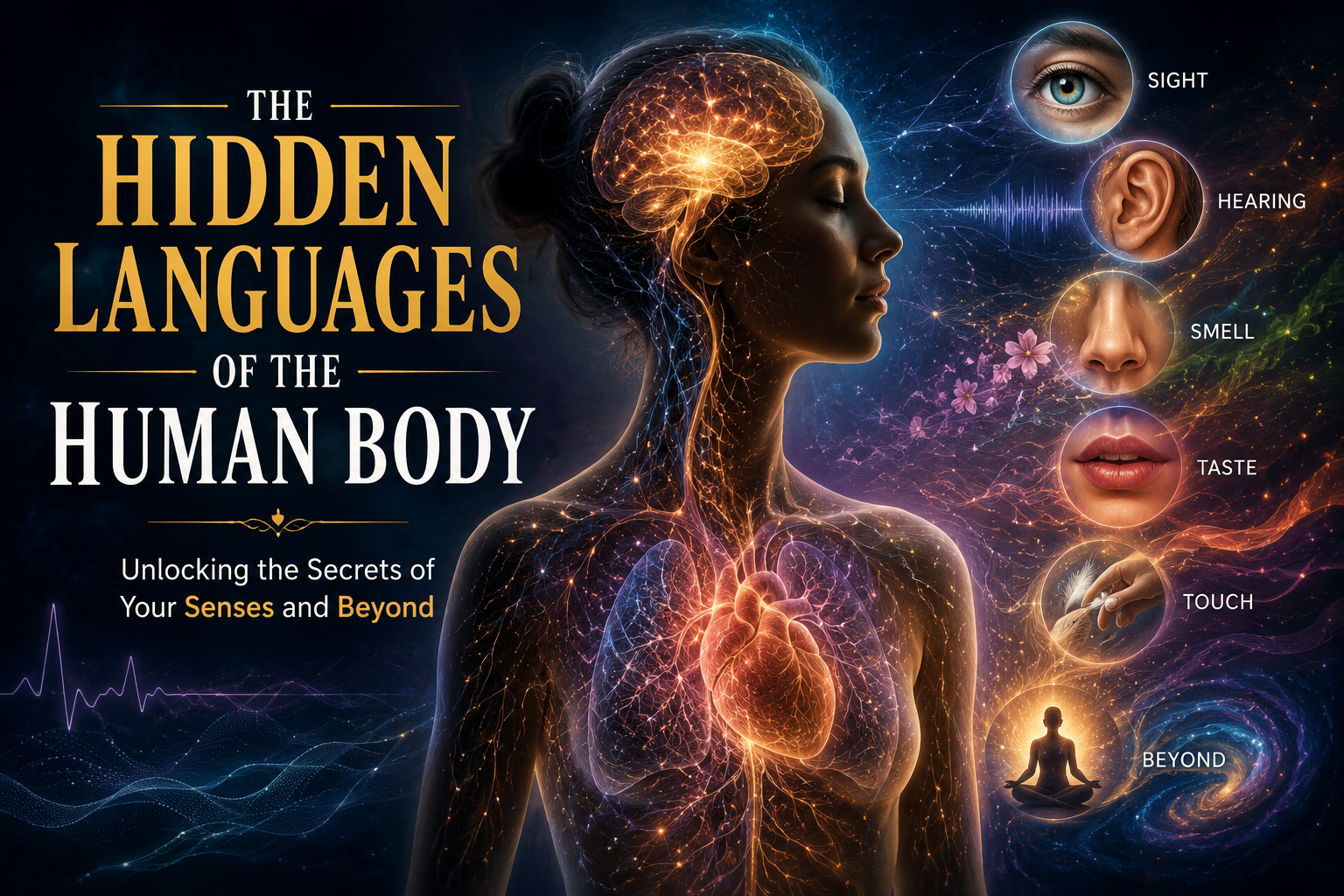
Introduction: The Masterpiece of Nature
The human body is one of nature’s most sophisticated creations, surpassing even the capabilities of modern supercomputers. Every second, countless biochemical reactions work together to regulate breathing, movement, emotions, memory, and awareness. These continuous processes form the hidden language of the human body, a complex communication network that keeps us alive and functioning.
To truly understand the hidden language of the human body, we must move beyond the traditional concept of the five senses. Modern science now recognizes that humans rely on many additional sensory systems that silently guide our daily lives.
These hidden sensory systems include:
- Spatial Awareness (Proprioception): The ability to sense the position of your limbs without looking at them.
- Equilibrium: The internal balance system that keeps your body stable.
- Thermoception: The ability to detect temperature changes inside and outside the body.
Together, these systems form the hidden language of the human body, constantly sending information between the brain and every organ. Understanding this hidden biological communication is more than interesting—it is a Jivan Jarurat (life necessity) for maintaining long-term physical health, emotional balance, and cognitive performance.
In this guide, you will explore the hidden language of the human body, discover how your senses truly work, and learn practical ways to optimize your sensory health for a more balanced and energetic life.
1. Sight: The Body’s Primary Data Collector
Vision is often considered the most dominant human sense because the eyes contain nearly 70% of the body’s sensory receptors. Through sight, the hidden language of the human body processes enormous amounts of visual information every second.
A Remarkable Biological Filter
The human eye can distinguish nearly 10 million colors. However, the process of vision is surprisingly complex. Light entering the eye creates an upside-down image on the retina. The brain—acting as the body’s “Master Controller”—interprets these electrical signals and flips the image so we perceive the world correctly.
This demonstrates how the hidden language of the human body depends on seamless coordination between the eyes and brain.
Protecting Your Visual Health
In today’s screen-dominated world, protecting eyesight is essential.
a. The 20-20-20 Rule
Every 20 minutes, look at an object 20 feet away for at least 20 seconds to reduce digital eye strain.
b. Nutritional Support
Leafy greens like spinach and kale contain lutein and zeaxanthin, antioxidants that help protect the retina and support long-term eye health.
By combining healthy habits and proper nutrition, you strengthen the hidden language of the human body that powers your vision.
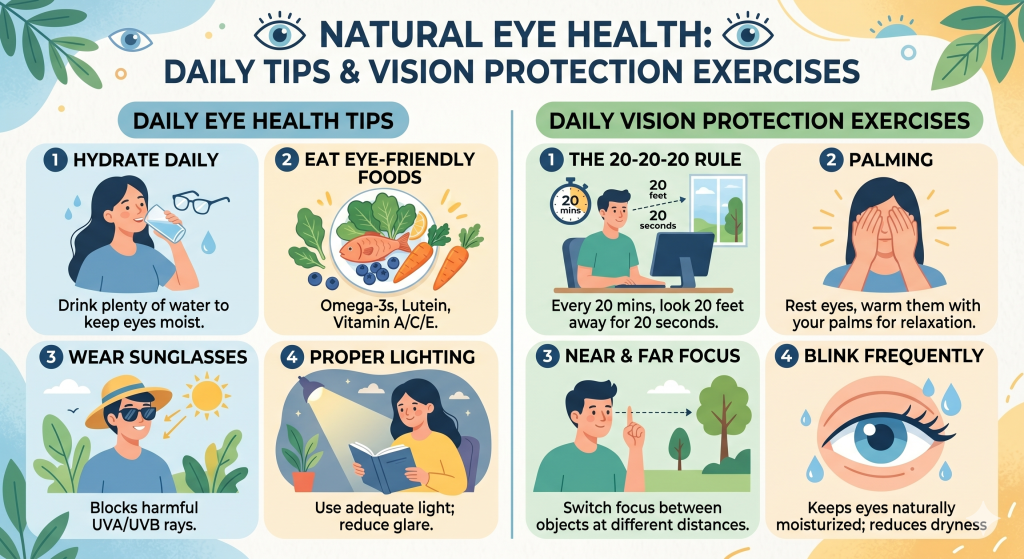
IMAGE ALT TEXT: “Natural eye health tips and vision protection exercises for daily use”
2. Hearing: The Dual-Purpose Command Center
The ears do far more than detect sound. They also contain the vestibular system, which acts as the body’s internal gyroscope and plays a critical role in the hidden language of the human body.
How Balance Works
Inside the inner ear are three semicircular canals filled with fluid and microscopic hair cells. When your head moves, the fluid shifts, sending signals to the brain about your body’s orientation and balance.
Without this hidden sensory system, even simple movements like walking or standing upright would become extremely difficult.
Miniature Biological Engineering
The stapes bone in the middle ear is the smallest bone in the human body, measuring less than a grain of rice. Despite its tiny size, it plays a vital role in transmitting sound vibrations.
This delicate structure highlights the precision of the hidden language of the human body.
3. Smell: The Sense Connected to Memory and Emotion
Among all senses, smell has the strongest emotional connection because it directly communicates with the brain’s limbic system—the center for emotions and long-term memory.
This direct pathway is one of the most fascinating parts of the hidden language of the human body.
Incredible Olfactory Abilities
Humans possess approximately 400 different scent receptors and can distinguish nearly 1 trillion odors.
Your olfactory system also acts as an early-warning mechanism by helping detect spoiled food, smoke, and environmental dangers.
Enhancing Sensory Health Through Scent
Lavender for Stress Relief
Lavender is known to reduce cortisol levels and promote relaxation.
Peppermint for Focus
Peppermint may improve alertness and concentration.
These responses show how the hidden language of the human body links scent directly to emotional and physiological reactions.
4. Taste: The Body’s Chemical Laboratory
Contrary to the old “tongue map” myth, every taste bud can detect all five primary tastes:
- Sweet
- Salty
- Sour
- Bitter
- Umami
Taste is another essential component of the hidden language of the human body, helping the brain identify nutritional needs and potential toxins.
Taste and Nutrition
A weakened sense of taste may sometimes indicate zinc deficiency or other nutritional imbalances.
Taste receptors also work closely with the digestive system—often called the body’s “second brain”—to regulate appetite and digestion.
5. Touch and Proprioception: The Hidden Sixth Sense
Touch is the first sense to develop in the womb, but the body’s awareness extends beyond skin contact through proprioception.
Proprioception is a major part of the hidden language of the human body because it constantly informs the brain about body position and movement.
Internal Navigation System
Special receptors in muscles and joints continuously send movement information to the brain.
Without proprioception, basic activities like walking, typing, or climbing stairs would require constant visual monitoring.
This silent coordination system is one of the clearest examples of the hidden language of the human body in action.
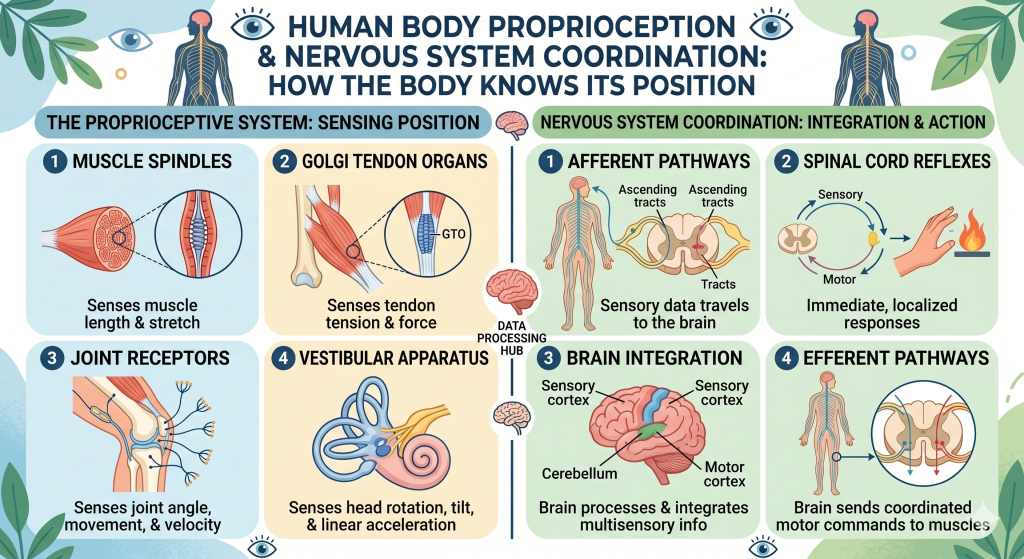
Image ALT Text: ” hidden language of eye health with daily vision protection exercises, eye care tips, hydration, nutrition, and the 20-20-20 rule. “
6. Neuroplasticity: How the Brain Rewires the Senses
One of the most extraordinary features of the hidden language of the human body is neuroplasticity—the brain’s ability to reorganize itself by forming new neural connections.
Sensory Adaptation
When one sense weakens or is lost, the brain can strengthen other senses to compensate.
For example, in blind individuals, areas of the visual cortex may become more involved in processing sound or touch, resulting in heightened hearing or tactile sensitivity.
This adaptability demonstrates the incredible intelligence behind the hidden language of the human body.
7. The Gut-Brain Axis: Your Second Brain
The gut and brain constantly communicate through the vagus nerve, forming another essential part of the hidden language of the human body.
Serotonin Production
Around 95% of the body’s serotonin is produced in the gut microbiome.
This neurotransmitter influences:
- Mood
- Emotional stability
- Pain perception
- Sensory processing
An unhealthy gut can negatively affect both physical and mental wellbeing.
Practical Strategies to Support the Hidden Language of the Human Body
A. Prioritize Deep Sleep
Sleep is essential for maintaining the hidden language of the human body.
During deep sleep:
- The brain removes toxins through the glymphatic system.
- Memories become consolidated.
- Cells perform DNA repair.
- Sensory processing improves.
Sleep deprivation can impair reaction time and dull sensory awareness.
B. Maintain Proper Hydration
Dehydration can disrupt blood circulation and inner ear fluid balance, leading to dizziness and brain fog.
Drinking sufficient water daily supports the balance systems involved in the hidden language of the human body.
Aim for approximately 3 liters of water per day unless advised otherwise by a healthcare professional.
C. Practice Sensory Detox
Modern technology constantly overstimulates the nervous system through notifications, screens, and artificial light.
Spend at least 10 minutes daily in silence and darkness to help reset the nervous system and restore the hidden language of the human body.
This practice may improve focus, emotional balance, and mental clarity.
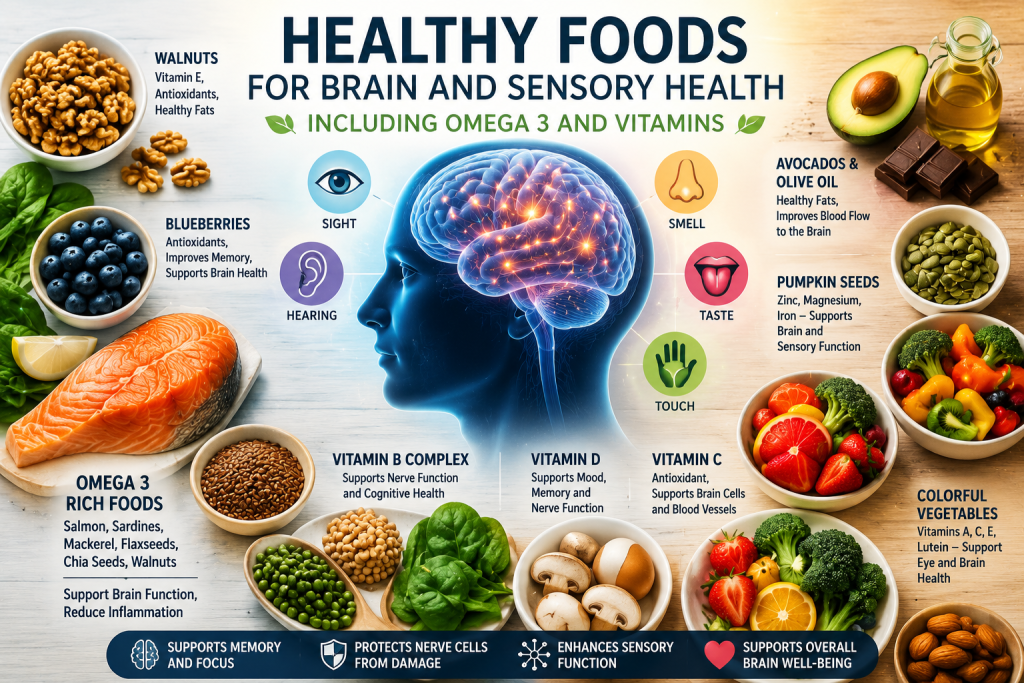
Image ALT Text: Hidden language of brain and sensory health showing healthy foods, omega-3 nutrition, vitamins, and foods that support memory, senses, and cognitive function.
8. Circadian Rhythms: The Body’s Internal Clock
Every organ follows a natural biological rhythm. Your liver processes toxins at specific times, while your skin repairs itself most actively during sleep.
These circadian rhythms are another important part of the hidden language of the human body.
Disrupting these rhythms through poor sleep, excessive blue light exposure, or late-night eating may negatively affect metabolism, hormonal balance, and cellular repair.
Signs of an Unhealthy Gut Microbiome
Poor gut health may lead to:
- Chronic fatigue
- Skin problems
- Brain fog
- Reduced sensory sharpness
- Mood instability
Excess sugar consumption can damage beneficial gut bacteria and interfere with the hidden language of the human body by disrupting communication between the gut and brain.
Conclusion: Honoring the Hidden Language of the Human Body
The human body is a masterpiece of biological engineering. From the vestibular system that maintains balance to the gut-brain connection that shapes emotions, every system works together through the hidden language of the human body.
Optimal health depends on keeping these hidden communication systems functioning in harmony.
You can begin supporting the hidden language of the human body today by:
- Protecting your eyesight
- Improving sleep quality
- Staying hydrated
- Eating nutrient-rich foods
- Supporting gut health
- Practicing mindfulness and sensory awareness
The more you learn to listen to your body’s subtle signals, the better equipped you become to live a healthier, sharper, and more balanced life.