

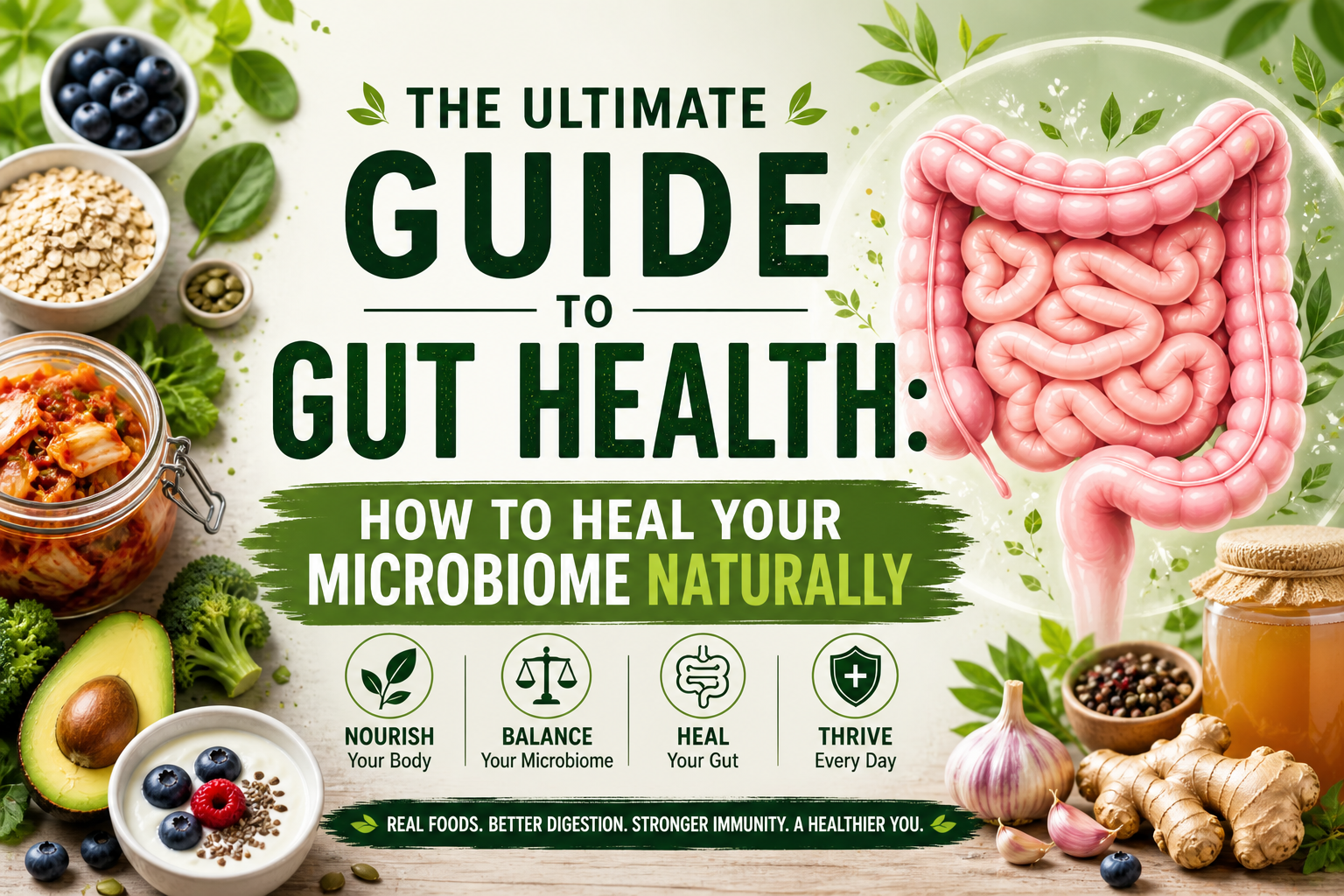
Did you know that the secret to a stronger immune system, better mood, and effortless digestion lies deep within your digestive tract? Welcome to the fascinating world of gut health. Over the past decade, science has uncovered that our gut is much more than just a food-processing system; it’s the control center for our overall physical and mental well-being.
In this comprehensive guide, we will dive deep into what the gut microbiome is, identify the hidden signs of an unhealthy gut, and explore science-backed ways to improve gut health naturally. Whether you are struggling with chronic bloating, fatigue, or simply want to optimize your daily wellness routine, this post is your roadmap to a happier, healthier digestive system.
What is the Gut Microbiome?
Your gut microbiome is a complex, bustling ecosystem made up of trillions of microorganisms—including bacteria, viruses, fungi, and other microscopic living things. While the word “bacteria” often has a negative connotation, the reality is that the vast majority of these microorganisms are incredibly beneficial and essential for human survival.
Think of your gut microbiome as a microscopic forest. When the environment is diverse and thriving, your body functions at its absolute peak. These microbes are responsible for breaking down food, producing essential vitamins, synthesizing hormones, and regulating the immune system. However, when the balance of good and bad bacteria is disrupted—a condition known as dysbiosis—it can lead to a cascade of chronic health issues.
5 Common Signs of an Unhealthy Gut
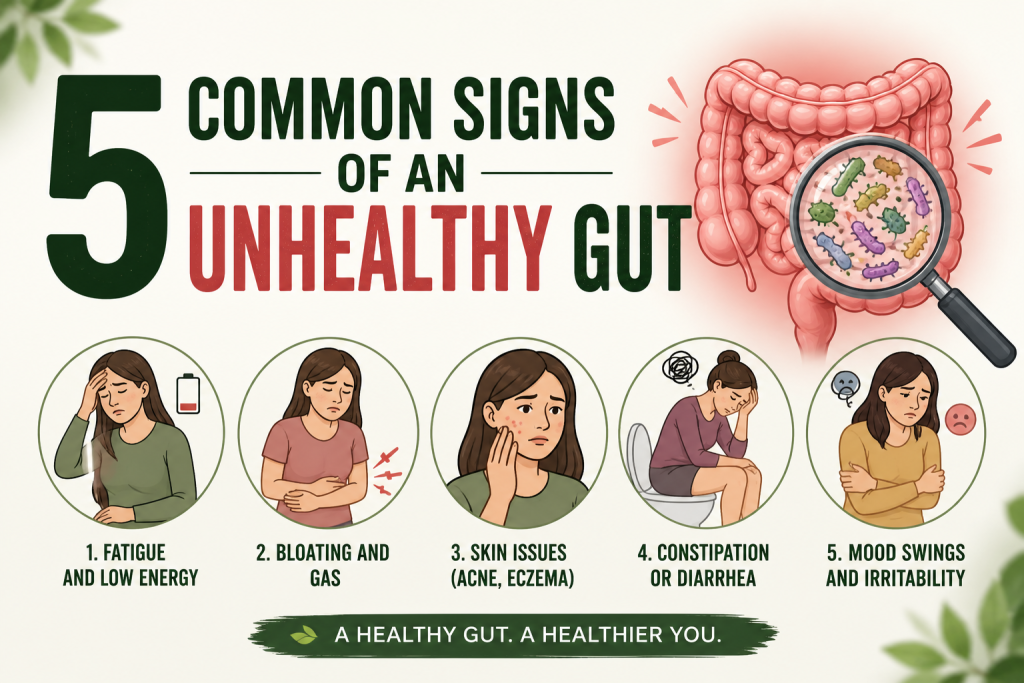
Many people live with an imbalanced gut without even realizing it. The symptoms can manifest in ways that seem completely unrelated to digestion. Here are some of the most common signs of an unhealthy gut:
- Chronic Digestive Issues: Frequent bloating, gas, diarrhea, constipation, or heartburn are the most obvious indicators that your digestive tract is struggling to process food efficiently.
- Unintentional Weight Changes: Gaining or losing weight without making changes to your diet or exercise habits can be a red flag. An imbalanced gut can impair your body’s ability to absorb nutrients, regulate blood sugar, and store fat.
- Sleep Disturbances and Constant Fatigue: Did you know that up to 90% of the body’s serotonin (a hormone that heavily influences sleep and mood) is produced in the gut? Poor gut health can lead to insomnia, fragmented sleep, and chronic fatigue.
- Skin Irritation: Conditions like eczema, acne, and rosacea can often be traced back to inflammation in the gut, frequently referred to as “leaky gut syndrome.”
- Autoimmune Conditions: An unhealthy gut may increase systemic inflammation and alter the proper functioning of the immune system, potentially triggering or worsening autoimmune diseases.
The Mind-Gut Connection: More Than Just “Gut Feelings”
Have you ever felt “butterflies” in your stomach before a big presentation or a sudden stomach ache during a stressful event? That’s the mind-gut connection in action. The gut and the brain are physically connected by the vagus nerve, sending chemical signals back and forth continuously.
Because the gut microbiome directly influences the central nervous system, taking care of your digestive health is one of the most effective ways to support your mental health. A balanced microbiome can help reduce symptoms of anxiety, brain fog, and depression, proving that a healthy mind truly starts with a healthy gut.
How to Improve Gut Health Naturally
If you are experiencing any of the symptoms mentioned above, don’t panic. The digestive tract is highly adaptable, and you can start repairing it today. Here are the best, science-backed strategies to achieve a healthy digestion:
1. Eat a Diverse, Plant-Based Diet
The golden rule for building a diverse microbiome is to eat a diverse range of whole foods. Focus on incorporating plenty of vegetables, fruits, legumes, and whole grains into your meals. A high-fiber diet is crucial because dietary fiber acts as fuel, feeding the good bacteria in your gut so they can multiply and thrive.
2. Load Up on Probiotics and Prebiotics
Probiotics are live, beneficial bacteria found in fermented foods. Prebiotics, on the other hand, are the non-digestible plant fibers that feed these bacteria. Together, they form the ultimate dynamic duo of gut health.
- Best Foods for Gut Health (Probiotics): Yogurt, milk kefir, water kefir, raw sauerkraut, kimchi, kombucha, and miso.
- Best Prebiotic Foods: Raw garlic, onions, leeks, asparagus, under-ripe bananas, and whole oats.
3. Manage Your Stress Levels
Chronic psychological stress is devastating to your whole body, especially your gastrointestinal tract. High stress levels can decrease blood flow to the digestive system and negatively alter the composition of your gut bacteria. Practices like daily meditation, deep breathing exercises, yoga, or simply taking walks in nature can significantly lower stress hormones and soothe your gut.
4. Prioritize High-Quality Sleep
Not getting enough restorative sleep can disrupt the balance of your microbiome, creating a vicious cycle where poor sleep harms your gut, and a damaged gut prevents you from sleeping well. Aim for 7 to 9 hours of uninterrupted sleep per night to allow your body—and your gut—time to repair.
5. Stay Consistently Hydrated
Drinking plenty of water has been shown to have a highly beneficial effect on the mucosal lining of the intestines, as well as on maintaining the balance of good bacteria. Staying hydrated is a simple yet incredibly powerful way to promote an efficient, healthy gut.
6. Avoid Unnecessary Antibiotics
While antibiotics are life-saving and essential for treating bacterial infections, they act like a nuclear bomb in your digestive tract, wiping out both the bad and the good bacteria. Always follow your doctor’s advice, but avoid using antibiotics for viral infections like the common cold. If you must take a course of antibiotics, be sure to eat a probiotic-rich diet alongside them to help rebuild your internal ecosystem.
Start Your Gut Healing Journey Today
Achieving optimal wellness doesn’t happen overnight, but prioritizing your digestive system is one of the most impactful steps you can take for long-term vitality. By paying close attention to the signs of an unhealthy gut and actively incorporating diverse whole foods, probiotics, and stress-management techniques into your daily routine, you can heal your microbiome naturally.
Remember, a healthy gut paves the way to a stronger immune system, a brighter mood, and endless energy. Start small today—perhaps by adding a serving of fermented food to your lunch or swapping your afternoon coffee for a glass of water—and watch how beautifully your body transforms from the inside out!